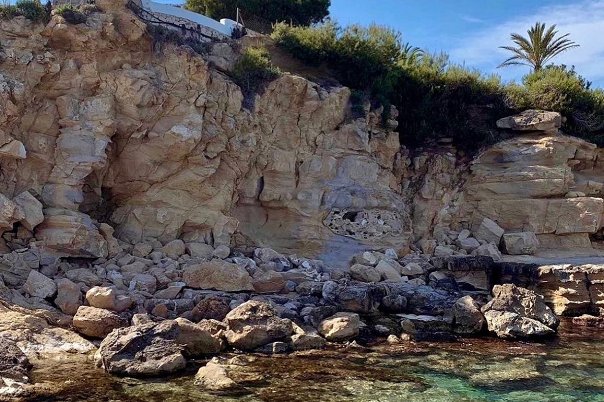
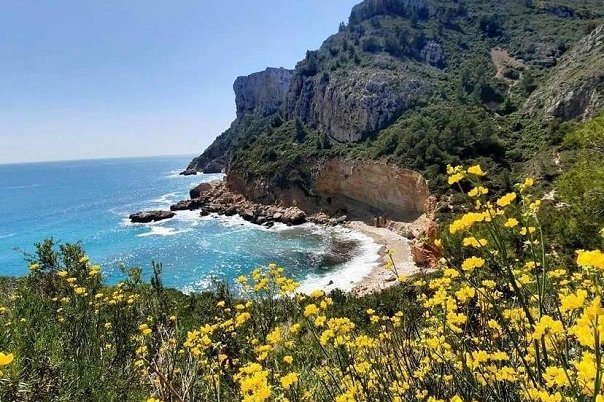
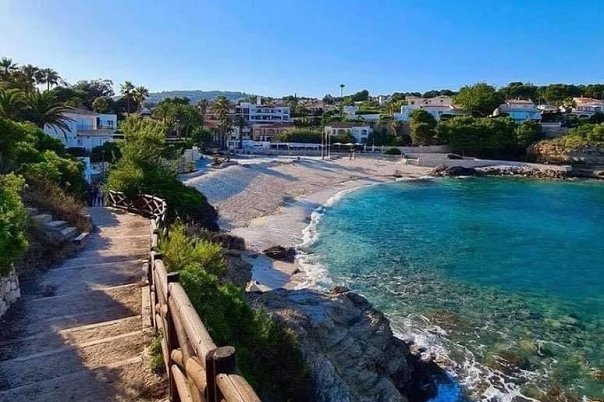
Discover the best places to visit in Moraira and Teulada, from beautiful Mediterranean beaches and historic coastal watchtowers to Gothic churches, traditional Spanish streets and spectacular viewpoints. Explore Moraira Castle, El Portet, Cap d'Or, Teulada's historic centre and lesser-known natural attractions in this complete guide to sightseeing on the Costa Blanca.
10th November 2026
Situated on Spain's northern Costa Blanca, Moraira and Teulada offer a wonderful combination of Mediterranean coastal scenery, historic architecture, traditional Spanish culture and beautiful natural landscapes.
Although they form part of the same municipality, the two towns have distinctly different characters.
Moraira is a charming coastal destination known for its sandy beaches, attractive marina, historic castle and picturesque Mediterranean coves. Once a traditional fishing village, it has retained much of its relaxed seaside atmosphere.
A short journey inland, Teulada offers a fascinating contrast, with narrow historic streets, Gothic architecture, traditional stone buildings and reminders of the area's agricultural and cultural heritage.
Together, they provide visitors with a diverse collection of attractions, from spectacular coastal viewpoints and peaceful wetlands to centuries-old churches, historic chapels and lesser-known heritage sites.
Whether you are exploring the area for the first time or looking to discover somewhere new, here are some of the best places to visit in Moraira and Teulada.
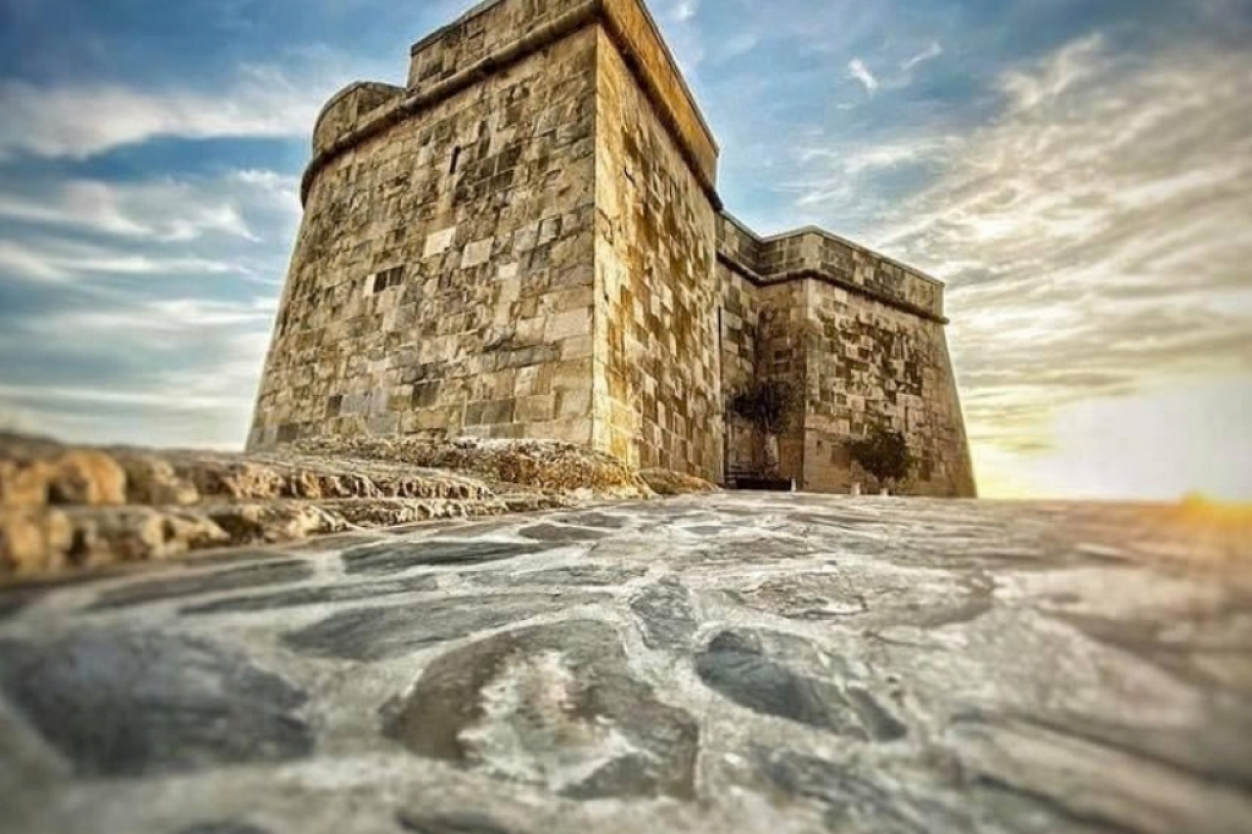
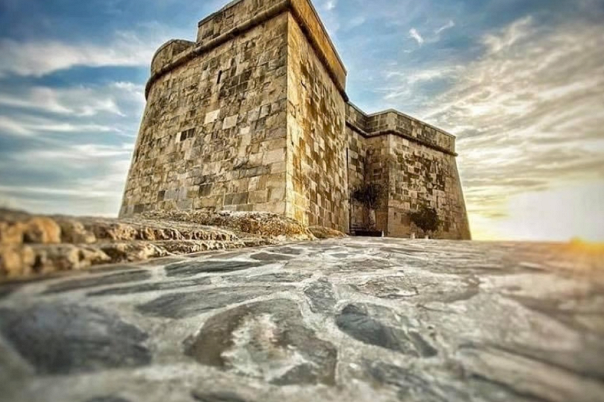
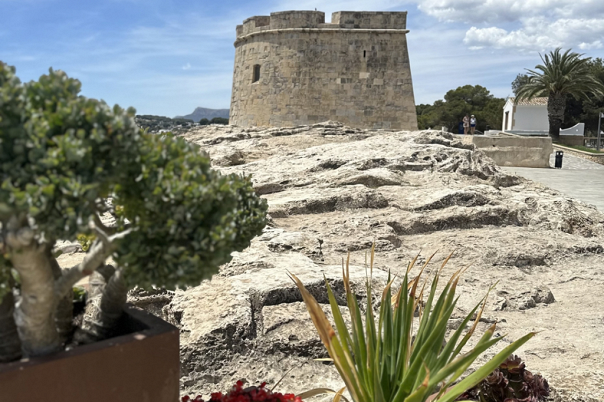
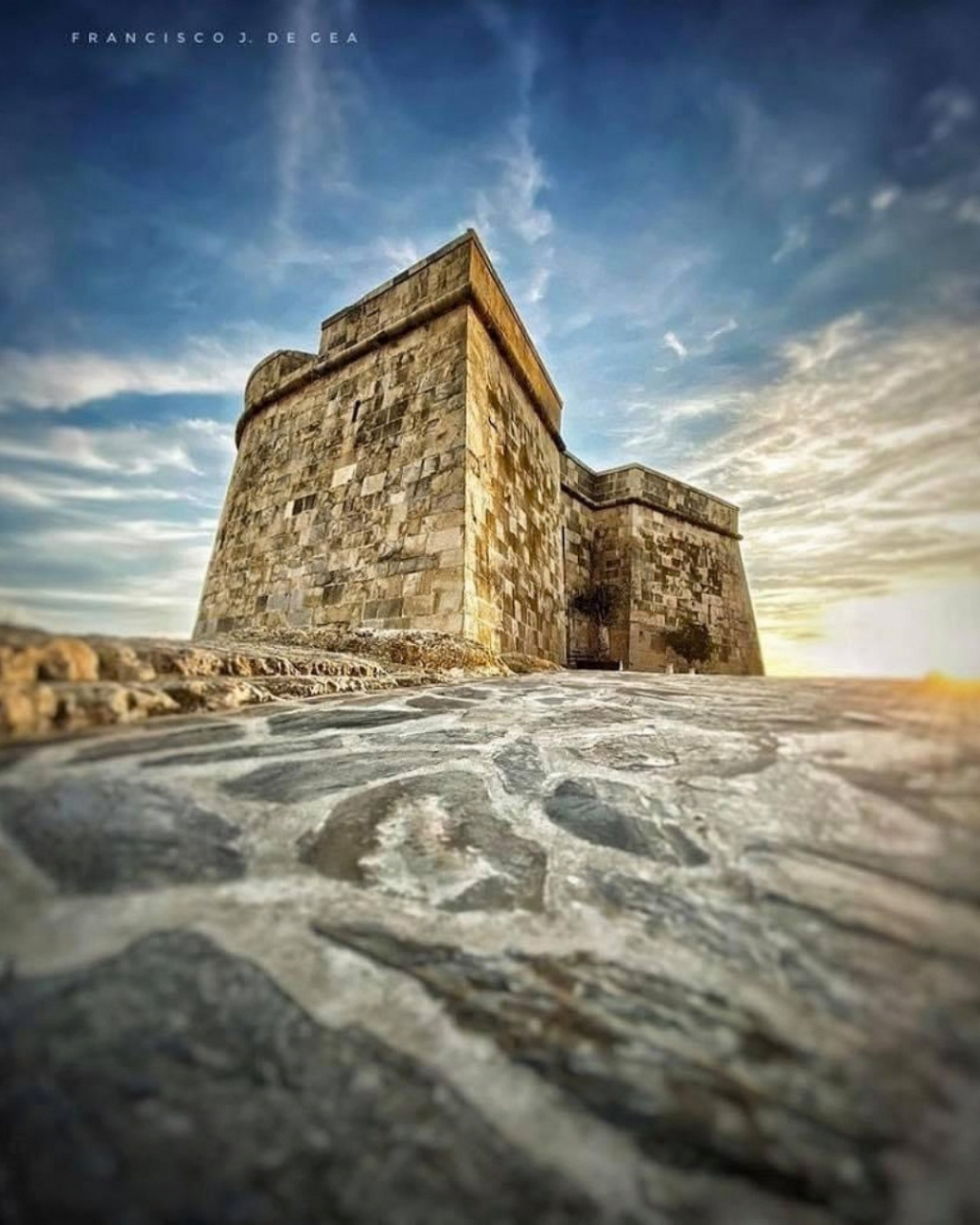
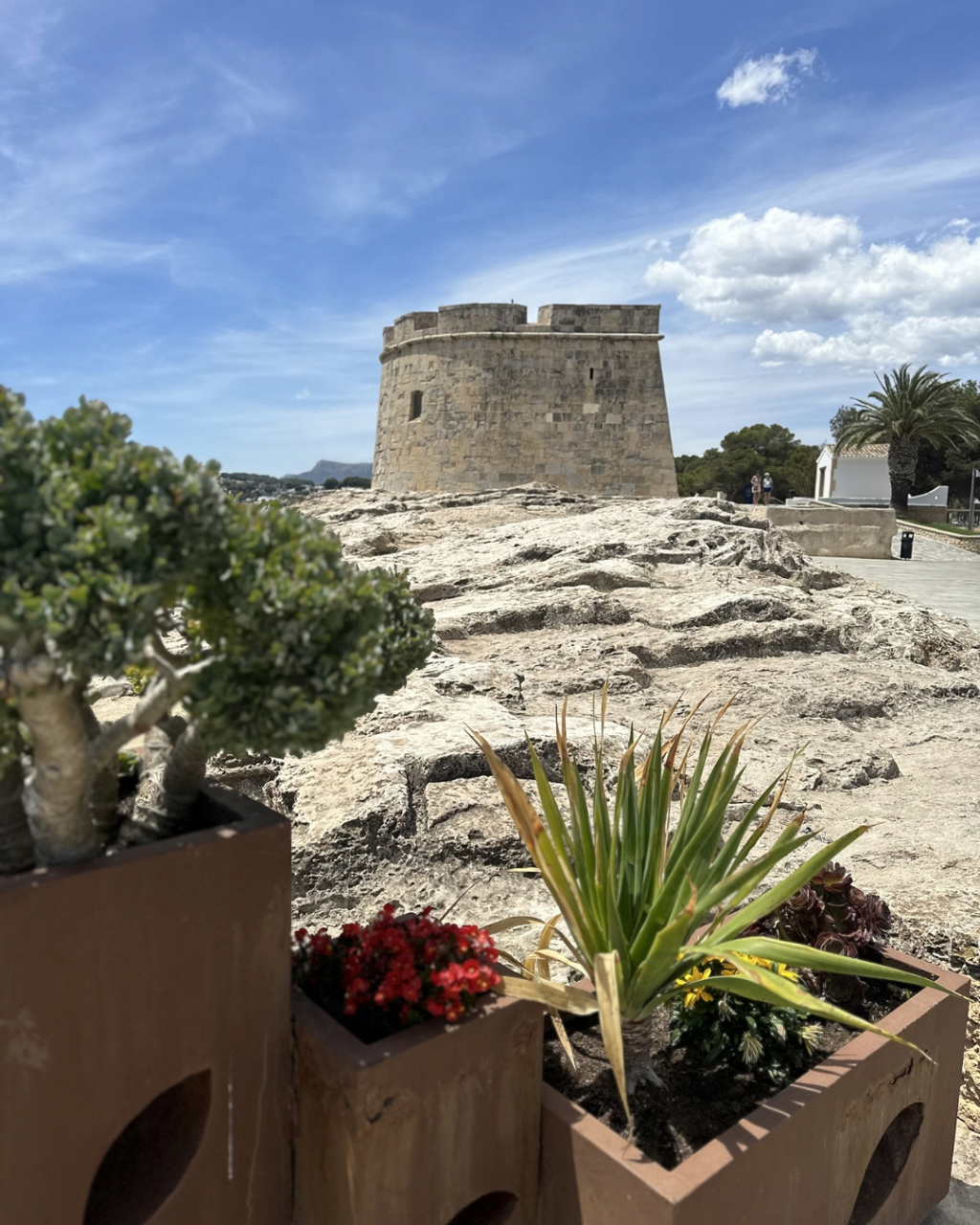
One of Moraira's most recognisable landmarks is Castillo de Moraira, an impressive 18th-century coastal fortress situated beside L'Ampolla Beach.
Originally constructed to protect the coastline from pirate attacks, the castle provides a fascinating reminder of Moraira's maritime history.
Its distinctive curved stone walls and position overlooking the Mediterranean make it one of the town's most photographed attractions.
The fortress was designed to defend this stretch of coastline, with its robust construction reflecting the importance of protecting local communities from attacks arriving by sea.
Today, visitors can admire the castle's unusual architecture, explore the surrounding promenade and enjoy beautiful views over the Mediterranean.
The official tourism information also describes an exhibition inside the castle dedicated to coastal watchtowers, maritime defence and piracy, including audiovisual presentations.
However, interior access depends on current opening arrangements.
The castle is particularly enjoyable to visit during the late afternoon, when the sunlight illuminates the stone walls.
Location: Calle Castillo, beside L'Ampolla Beach, Moraira.
Visitor tip: Combine a visit to the castle with a walk along the seafront, a stop at L'Ampolla Beach and lunch in the town centre.
Read our Visiting Moraira Castle Guide.
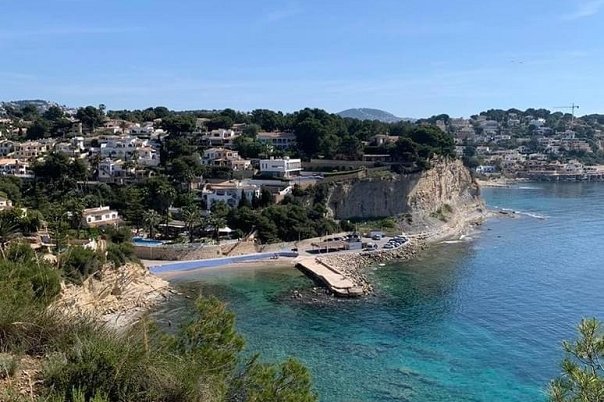
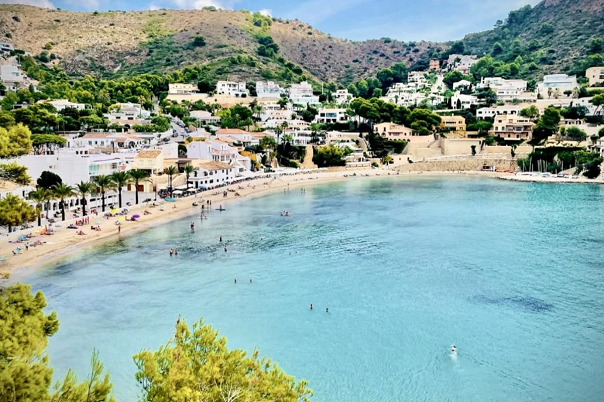
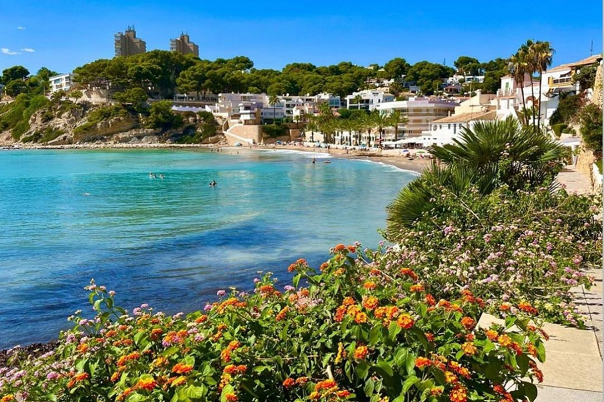
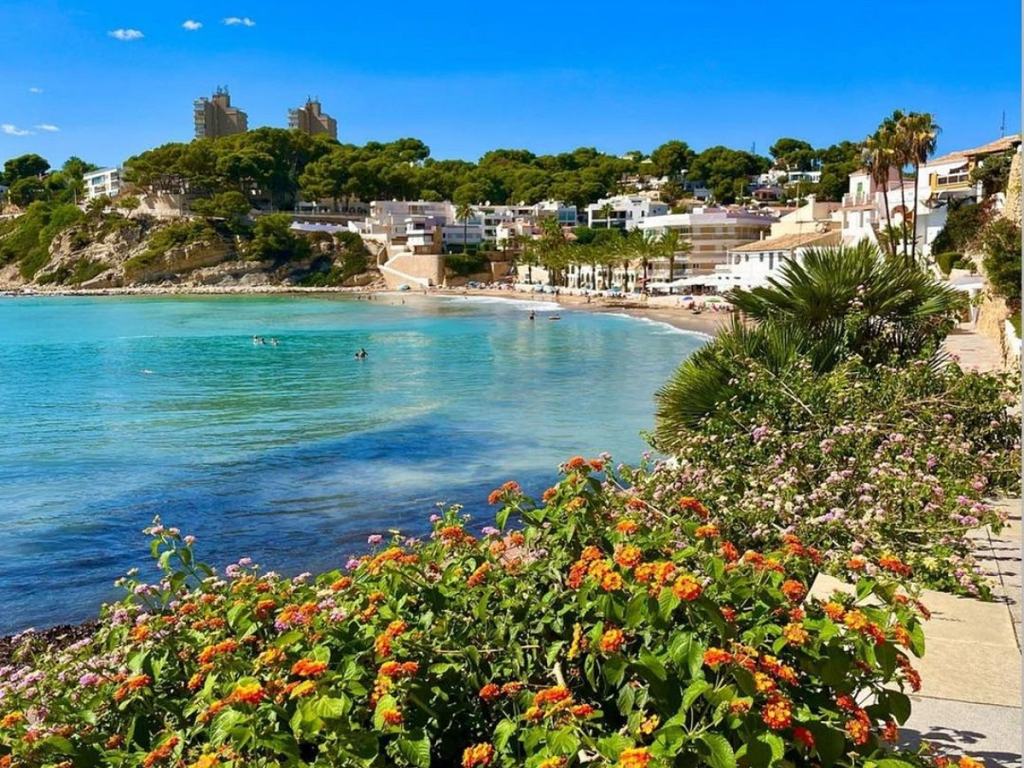
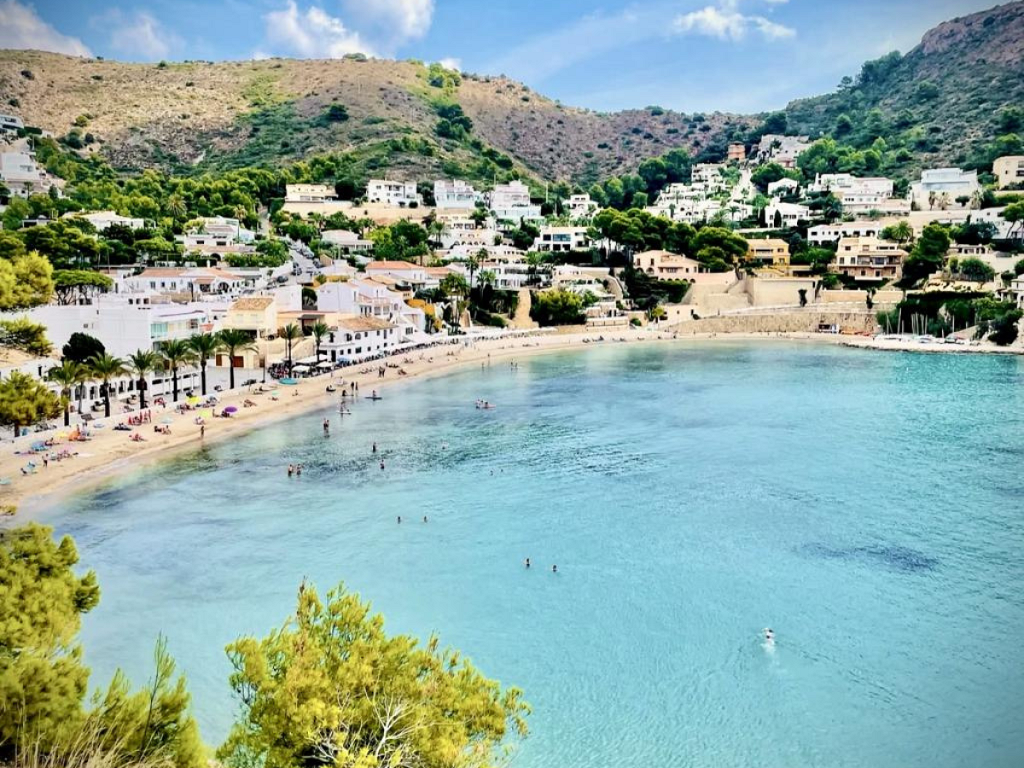
Playa del Portet is one of the most picturesque coastal locations in Moraira and a must-see destination for visitors.
Situated beneath the Cap d'Or peninsula, this beautiful horseshoe-shaped bay is surrounded by attractive hillside scenery and crystal-clear Mediterranean water.
Its mainly sandy shoreline, with some pebbly sections, makes it particularly popular with families, couples and visitors looking for a relaxing beach setting.
The bay is sheltered by the surrounding headland, creating a distinctive landscape that is often featured in photographs of Moraira.
A small promenade runs alongside the beach, with restaurants and cafés offering opportunities to enjoy refreshments overlooking the sea.
Visitors can admire the coastal scenery, enjoy a swim when conditions allow or simply relax beside the water.
The beach is especially attractive during the morning and early evening, when the atmosphere can be quieter outside the busiest holiday periods.
Location: Playa del Portet, northeast of central Moraira.
Visitor tip: Parking is limited during summer. Arrive early or consider walking from Moraira if the distance and weather conditions suit your group.
Discover more in our El Portet Beach Guide.
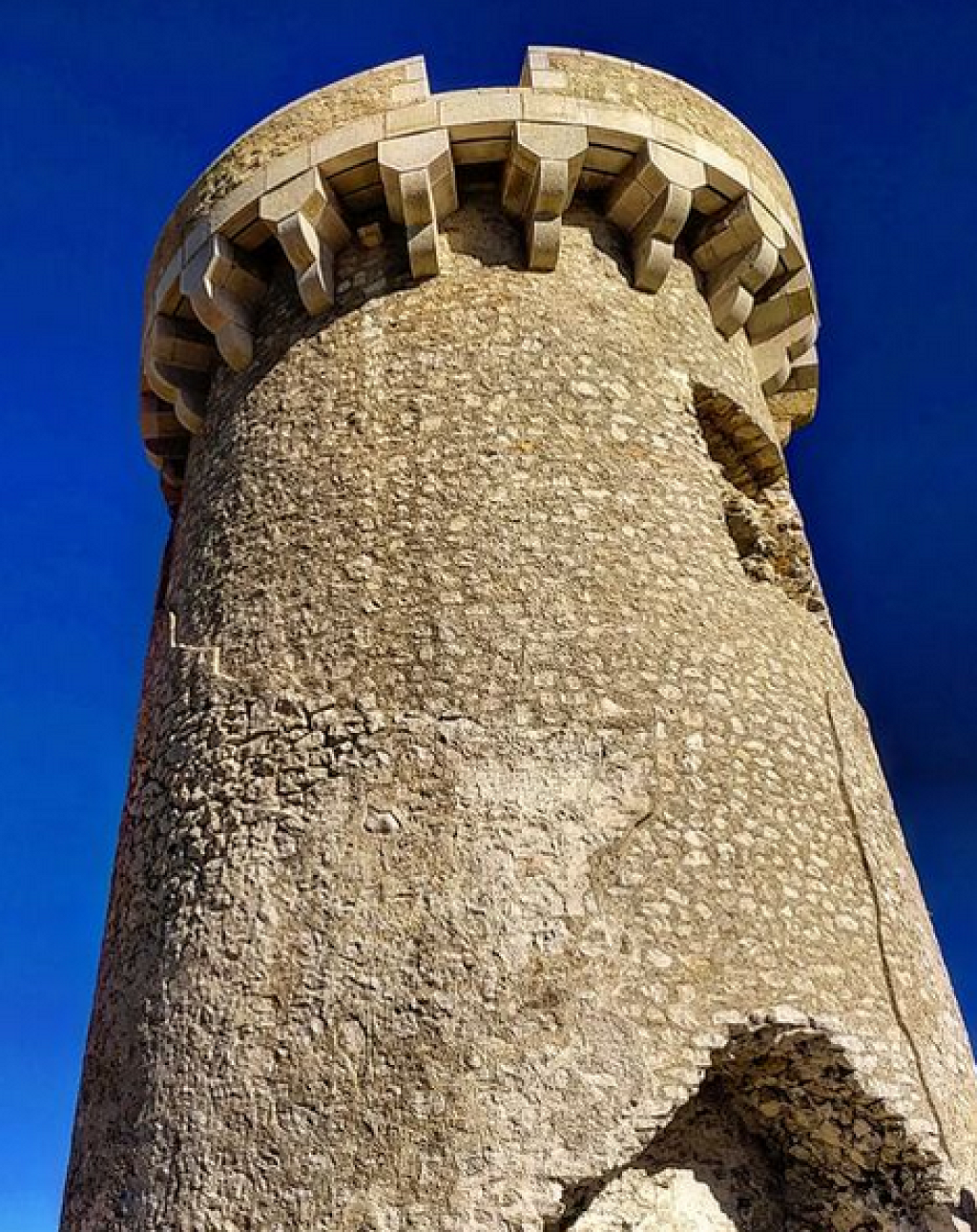
For spectacular views and an insight into Moraira's defensive history, the Torre del Cap d'Or is one of the area's most rewarding landmarks.
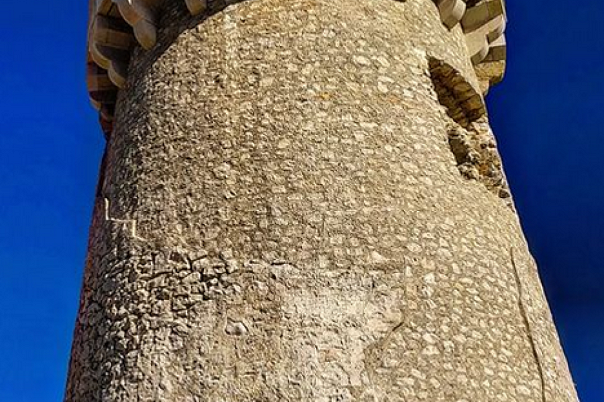
Standing high above El Portet, this 16th-century watchtower formed part of a network of coastal observation posts designed to warn communities of approaching threats.
Its elevated position provided an important viewpoint across the Mediterranean, allowing guards to monitor the surrounding sea.
Today, the tower is a popular destination for walkers and photographers.
The surrounding headland provides beautiful views across El Portet, Moraira's coastline and, on clear days, towards the Peñón de Ifach in Calpe.
Reaching the tower requires following the SL-CV 51 walking route from the El Portet area.
Although the route is relatively short, it involves a steep climb over rocky and uneven terrain.
Location: Cap d'Or peninsula, above El Portet.
Visitor tip: Wear suitable walking shoes, bring water and avoid the hottest part of the day. The route is not suitable for pushchairs.
Read our Cap d'Or Walk: Route, Difficulty and Visitor Guide.
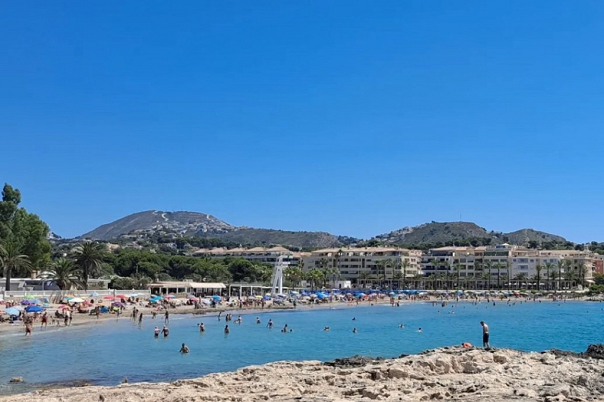
Located directly beside the town centre, Playa de L'Ampolla is one of Moraira's most popular coastal attractions.
This sandy beach sits beneath Moraira Castle, providing a distinctive setting with beautiful Mediterranean views.
Its convenient position makes it particularly appealing for visitors who want to combine a beach visit with exploring the town.
The beach is close to restaurants, cafés, shops and public facilities, while the surrounding promenade offers a pleasant place for a walk.
Families appreciate the sandy shoreline and nearby play areas, while couples and visitors exploring the area can enjoy its attractive seafront setting.
L'Ampolla is also close to the Marjal del Senillar wetland, making it possible to combine a beach visit with a short nature stop.
Location: Central Moraira, beside Moraira Castle.
Visitor tip: The beach can become busy during summer, and lifeguard services are seasonal.
Read our L'Ampolla Beach Guide.
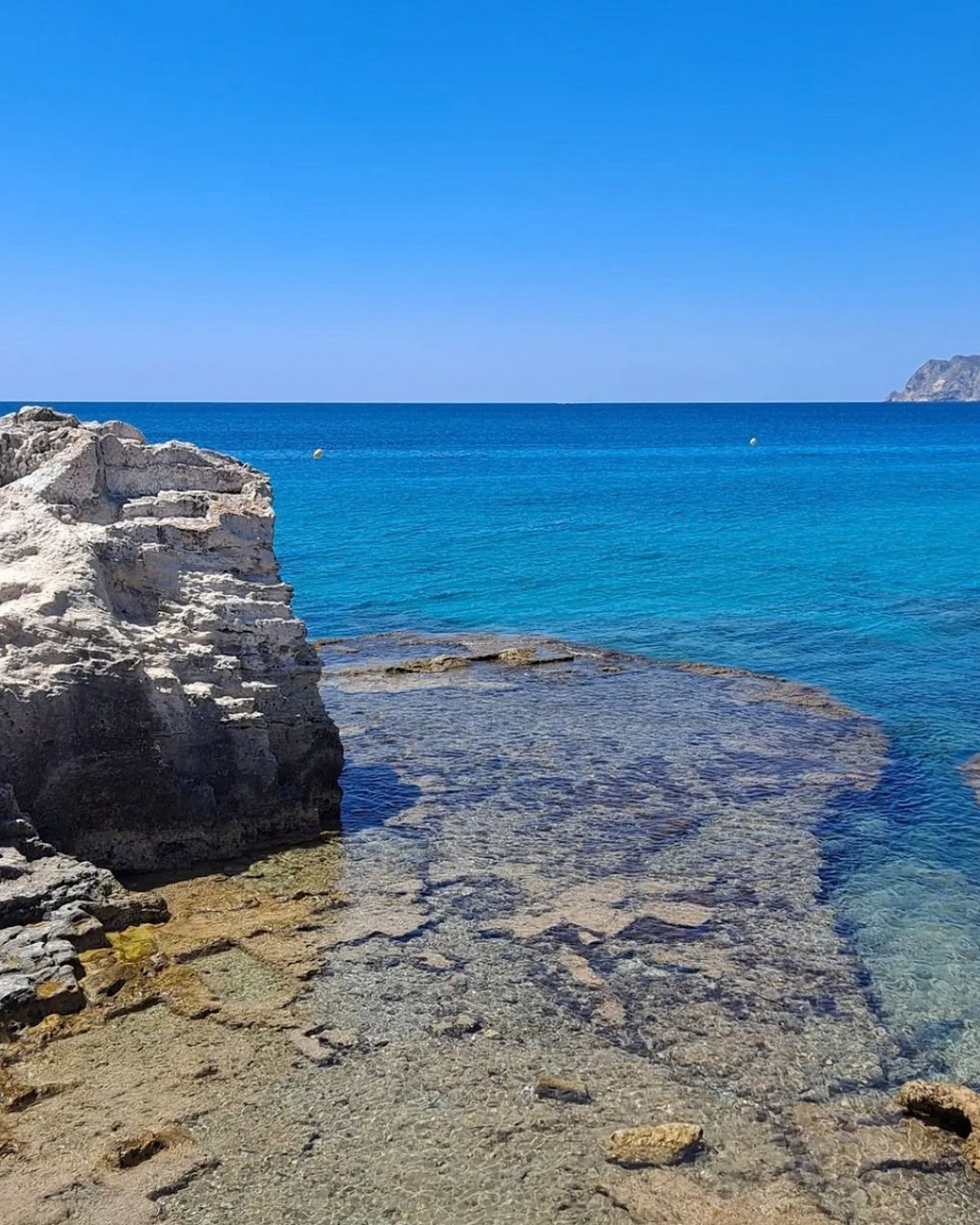
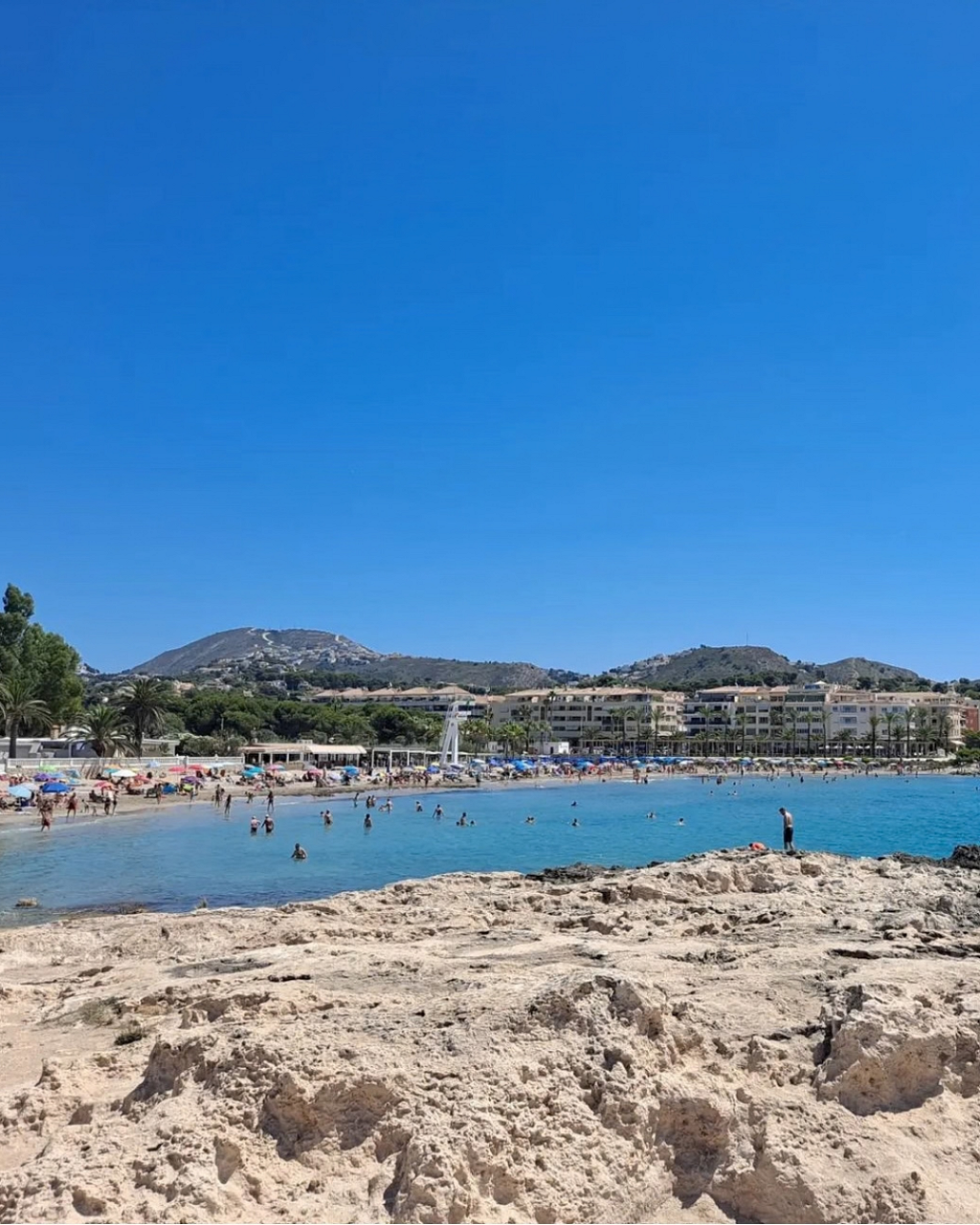
One of Moraira's lesser-known natural attractions is Marjal del Senillar, a small protected wetland located immediately beside L'Ampolla Beach.
Despite its central location, this peaceful natural area provides an important habitat for birds, fish and other wildlife.
The wetland was designated a Wildlife Reserve in 2004 and is particularly important for the conservation of the endangered Spanish toothcarp, known locally as the fartet.
The landscape consists of lagoons, reeds, coastal vegetation and dune habitats, creating a striking contrast to the nearby sandy beach.
Visitors may spot ducks, moorhens and other birds while exploring the surrounding public paths.
The reserve is an excellent destination for nature lovers, families and anyone interested in discovering Moraira's natural environment.
It also offers an opportunity to appreciate the ecological importance of the coastline beyond its beaches.
Location: Beside Playa de L'Ampolla, Moraira.
Cost: Free to view from public areas.
Visitor tip: Swimming, fishing and boating are prohibited within the reserve. Remain on designated paths and avoid disturbing wildlife.
Moraira's marina and fishing harbour are among the town's most attractive waterfront locations.
Situated close to the centre, the harbour reflects Moraira's origins as a traditional Mediterranean fishing village.
Today, it combines leisure boats, sailing yachts and working maritime activities, creating a pleasant atmosphere for visitors.
The marina is particularly attractive for photography, with boats moored against the backdrop of the Mediterranean coastline.
Visitors can stroll through the public waterfront areas, admire the boats and enjoy the nearby restaurants and cafés.
The harbour also provides an interesting connection to Moraira's traditional fishing heritage.
For those interested in local history, the official Moraira Mar y Pescaheritage route explores the town's maritime past.
The short route introduces places associated with fishing and the development of the coastal settlement.
Location: Puerto de Moraira, Moraira town centre.
Visitor tip: Stay within designated public areas, as parts of the marina and harbour are operational or privately controlled.
Les Platgetes is an attractive coastal area located a short distance from central Moraira.
Unlike the town's larger beaches, it consists of two smaller coves featuring a mixture of sand, pebbles and rocky shoreline.
The surrounding promenade and landscaped areas make it particularly appealing for visitors interested in coastal scenery and photography.
The coves provide beautiful Mediterranean views and a quieter alternative to the main town beach outside peak periods.
Nearby restaurants and cafés make it convenient to combine a coastal visit with refreshments.
The area's varied shoreline also provides opportunities to appreciate the natural rock formations along Moraira's coast.
Location: Along the coastal road southeast of Moraira town centre.
Visitor tip: Some sections are rocky, and swimming conditions vary. Wear suitable footwear and follow local beach safety information.
Explore our Moraira Beaches Guide.
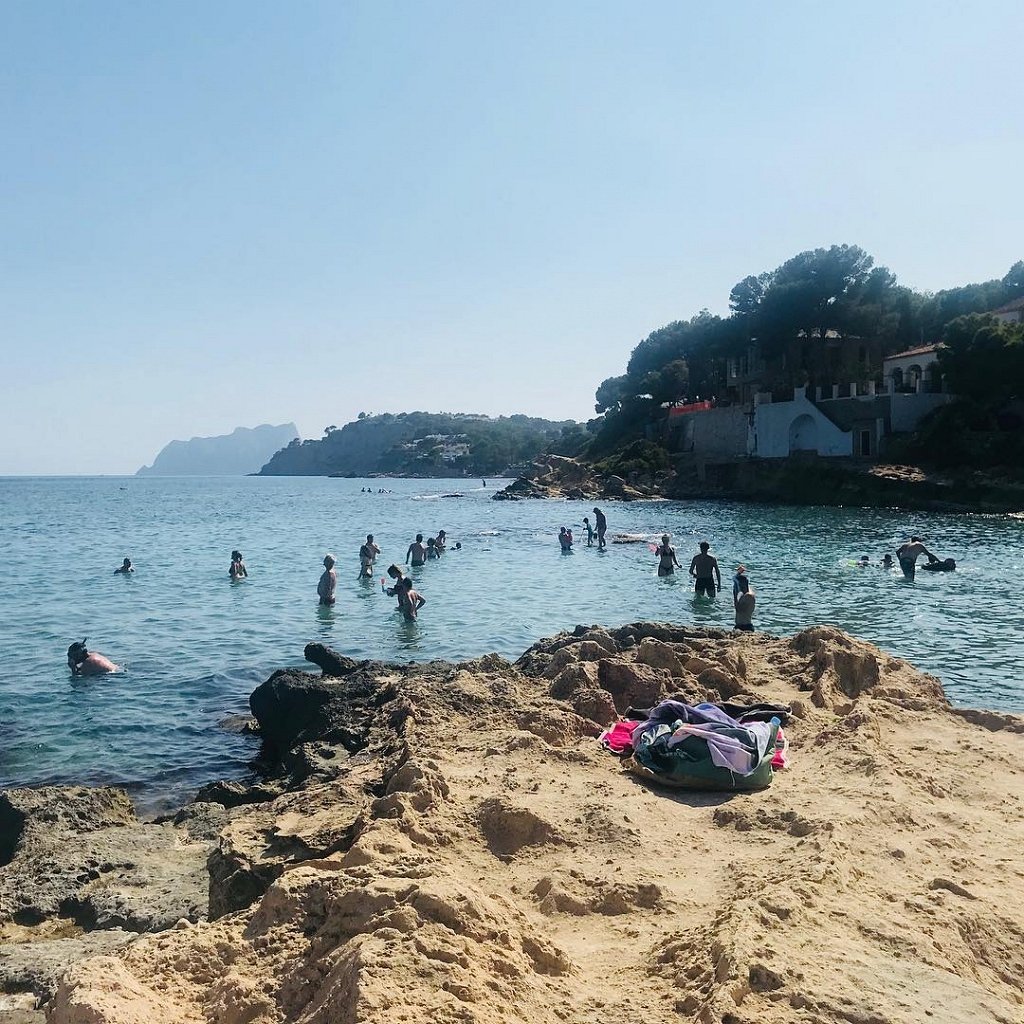
Image by @annasoderberghagstrom
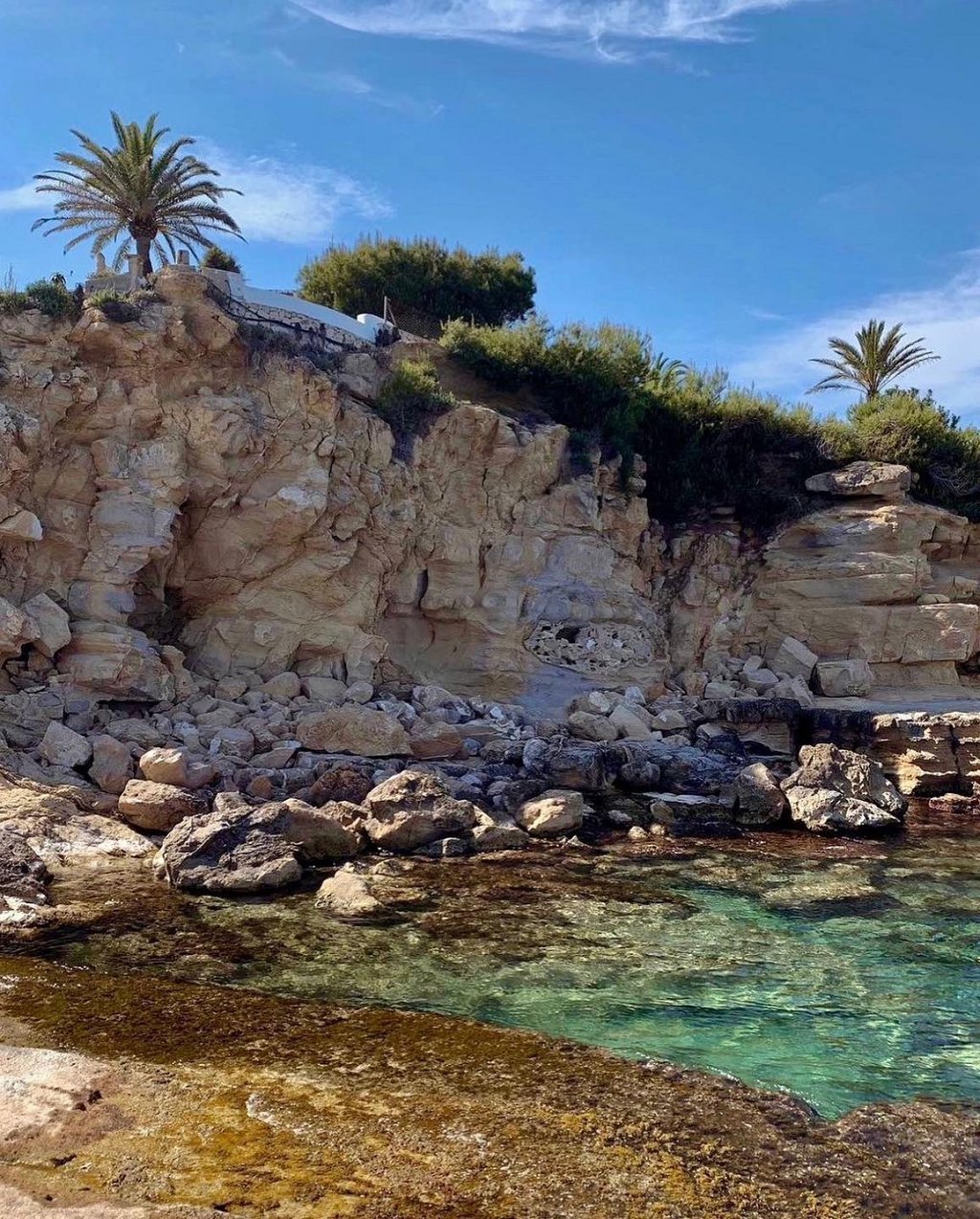
Cala L'Andragó is one of Moraira's most attractive smaller coastal locations.
Situated along the coastline southeast of the town centre, this rocky cove offers clear Mediterranean water, beautiful natural scenery and a more rugged environment than the sandy beaches.
The surrounding rocks and coastal formations make the area particularly appealing for photography.
Its clear water has also made it popular with snorkellers when sea conditions are suitable.
The cove is close to several waterfront restaurants, making it a pleasant destination for visitors who want to combine coastal sightseeing with lunch or dinner.
Unlike L'Ampolla and El Portet, Cala L'Andragó has a predominantly rocky shoreline, so visitors should be prepared for uneven surfaces.
Location: Cala L'Andragó, Moraira.
Visitor tip: Access to the water can be difficult, and the rocks may be slippery. Swimming should only be attempted when conditions allow.
Images by @turismocostablanca
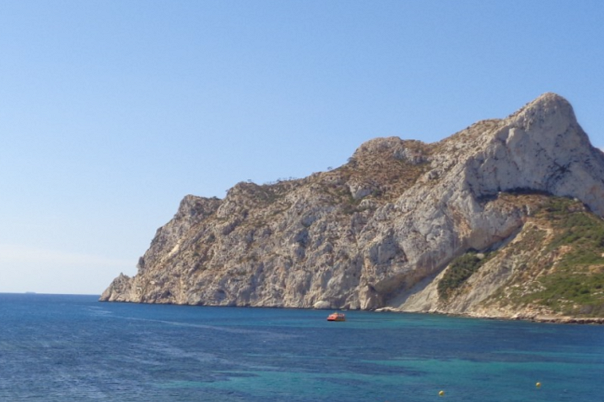
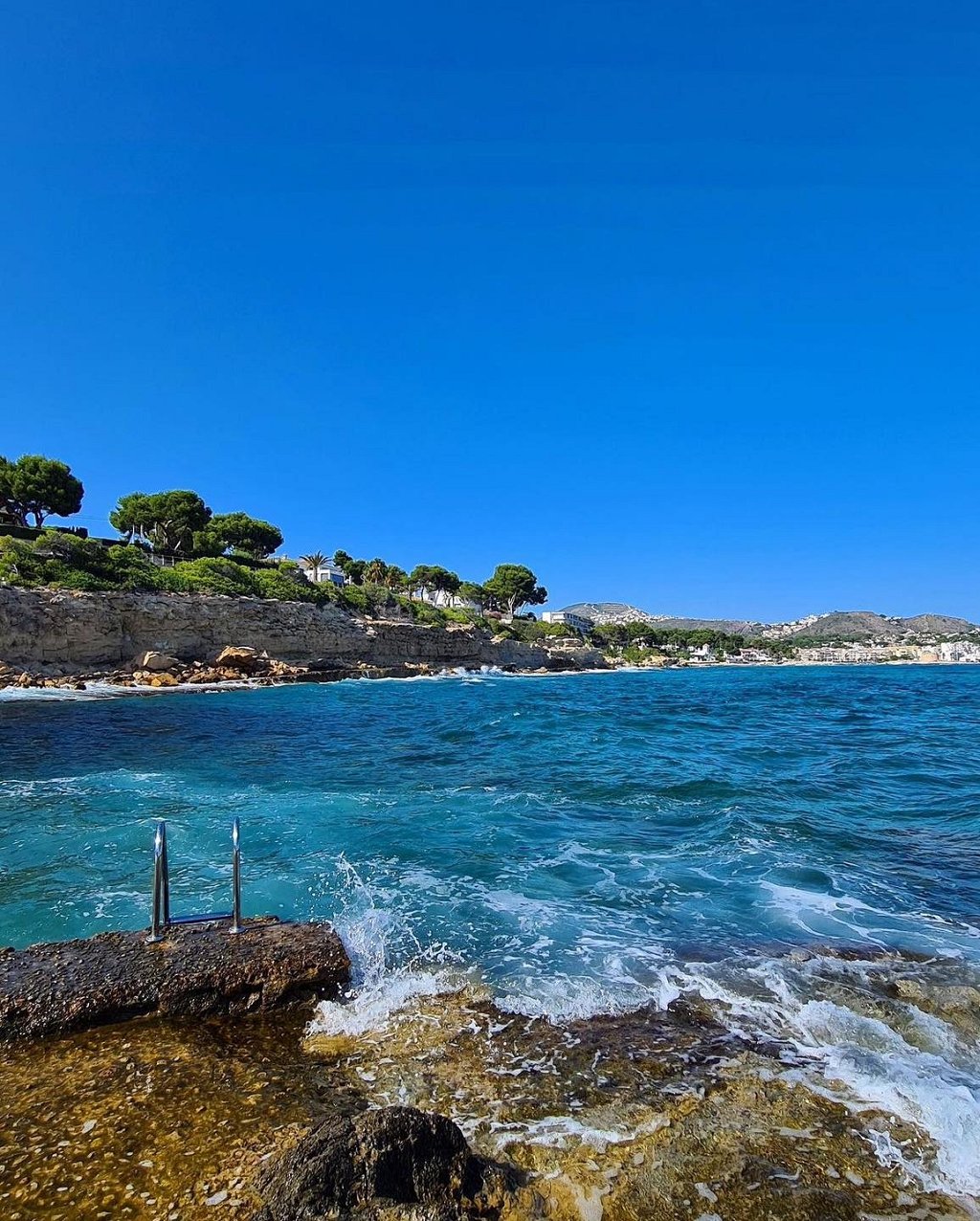
For visitors looking to discover a less developed side of Moraira's coastline, Cala Cap Blanc is worth exploring.
Located towards the southern end of the municipality's coastal area, this rocky cove offers attractive Mediterranean scenery and a quieter atmosphere.
The surrounding cliffs, vegetation and rock formations provide an appealing setting for nature photography.
Unlike Moraira's main sandy beaches, Cala Cap Blanc does not offer the same range of visitor facilities.
Its appeal lies in its natural environment, coastal views and peaceful surroundings.
This is a particularly attractive place for visitors who enjoy discovering smaller coves and quieter coastal corners.
Visitor tip: Check access conditions before visiting. Rocky surfaces, uneven paths and limited facilities make this a less suitable location for visitors requiring easy beach access.
Cala del Portitxolet is a small, rocky coastal location between Moraira's harbour and El Portet.
The cove offers an interesting contrast to the area's larger sandy beaches, with rocky scenery and views across the Mediterranean.
It is particularly appealing to visitors who enjoy photography and discovering the less obvious sections of Moraira's coastline.
The surrounding area reflects the natural coastal landscape that existed before the town developed into a popular holiday destination.
Because the cove is small and access is more limited than at the main beaches, it is best approached as a scenic coastal stop rather than a full beach-day destination.
Visitor tip: Facilities are limited and access may involve uneven surfaces. Check the route and sea conditions before visiting.
While Moraira is famous for its coastal scenery, the landscape immediately inland is equally interesting.
The Mirador de les Sorts overlooks an important agricultural valley situated behind the town.
The area is associated with traditional farming, cultivated terraces and the rural heritage of Teulada-Moraira.
From the viewpoint, visitors can appreciate the contrast between Moraira's modern coastal development and its historic agricultural landscape.
The surrounding valley provides an attractive setting for landscape photography and a peaceful change from the busy waterfront.
It is particularly interesting for visitors who want to understand how the municipality developed before tourism became such an important part of the local economy.
Visitor tip: Respect cultivated land and use designated public access routes.
Moraira's coastline contains several interesting geological features and scenic viewpoints.
The Ruta Geológica de Moraira introduces visitors to the area's natural history, including fossil dunes, coastal faults and rock formations associated with ancient marine environments.
The coastline also features the Ruta de los Miradores del Litoral, a designated route linking several coastal viewpoints.
This walking route is approximately 4.28 kilometres long, with a published walking time of around one hour and fifteen minutes.
Along the way, visitors can appreciate changing views across Moraira's beaches, coves and Mediterranean coastline.
The route is particularly enjoyable for photographers, walkers and visitors interested in natural landscapes.
Visitor tip: Some sections may be uneven or exposed. Check the official route information before setting out.
Read our Free Things to Do in Moraira guide for further information about the geological and coastal routes.
A short journey inland from Moraira, Teulada offers a fascinating collection of historic attractions, churches, traditional streets and cultural landmarks.
The town's historic centre has been recognised for its architectural importance, making it one of the most interesting places to explore in the surrounding area.
One of the most important places to visit in Teulada is its historic walled centre, known as Teulada Gòtica Emmurallada.
Recognised as a protected historic ensemble, this attractive neighbourhood preserves an important collection of medieval and later architecture.
The historic streets developed around the fortified settlement that occupied the hilltop following the Christian conquest.
Today, visitors can explore traditional stone buildings, narrow streets, historic doorways and attractive squares.
Several buildings retain architectural details associated with Gothic design, while others reflect later Baroque and modernist influences.
The town's historic centre is particularly interesting because it provides a contrast to the modern seaside environment of Moraira.
Visitors interested in Spanish history and architecture can spend a leisurely morning discovering its streets and landmarks.
Important attractions within the historic centre include the Church of Santa Catalina, the Ermita de la Divina Pastora and the Sala dels Jurats i Justícies.
Location: Historic centre of Teulada, 03725.
Visitor tip: Explore the area on foot and allow time to appreciate its architectural details. Some historic streets contain uneven surfaces or gradients.
The Church of Santa Catalina Mártir is one of Teulada's most impressive historical landmarks.
Situated in the historic centre, this substantial stone church reflects the town's Gothic architectural heritage and defensive history.
The original church developed during the 16th century, with later alterations and extensions adding new architectural features.
Its fortified appearance demonstrates how religious buildings could also contribute to the protection of local communities.
Inside, the church contains architectural features associated with Gothic and later design, including vaulted ceilings, chapels and decorative religious artwork.
The exterior is equally impressive, with the bell tower and substantial stone walls forming one of the most recognisable features of Teulada's skyline.
Visitors exploring the historic centre should make time to admire this important building.
Location: Plaça d'Espanya, Teulada.
Visitor tip: Interior access may depend on religious services, opening arrangements and special events.
Another fascinating landmark in Teulada is the Sala dels Jurats i Justícies, an important historic civic building dating from the early 17th century.
Constructed around 1620, the building originally served administrative and commercial purposes, reflecting Teulada's role as a local centre of government and trade.
Its attractive stone façade features a series of semicircular arches at ground level, creating a distinctive covered area beneath the upper floor.
The building also preserves architectural details including a historic sundial dating from 1639.
Located in Plaça dels Porxes, it is one of the most interesting surviving examples of Teulada's civic architecture.
The surrounding square adds to its appeal, with traditional buildings and a peaceful historic atmosphere.
The site also forms part of the area's cultural heritage connected with Saint Vincent Ferrer.
Location: Plaça dels Porxes, Teulada.
Visitor tip: Even if the interior is closed, the exterior architecture and surrounding square are worth visiting.
Located beside the Church of Santa Catalina, the Ermita de la Divina Pastora is one of Teulada's most charming religious landmarks.
This small historic chapel combines architectural features from different periods.
Its stone façade reflects Renaissance influences, while later changes introduced additional decorative elements.
The chapel features a traditional bell gable and a distinctive roof structure.
Inside, religious artwork and decorative details reflect its long-standing importance to the local community.
Although smaller than the neighbouring parish church, the chapel is an important part of Teulada's historic architectural ensemble.
It is particularly convenient to visit while exploring the nearby Gothic streets and civic buildings.
Location: Beside Iglesia de Santa Catalina Mártir, Teulada.
Visitor tip: Check current access arrangements if you wish to visit the interior.
The Ermita de Sant Vicent Ferrer is one of Teulada's most important religious and cultural landmarks.
Dedicated to Saint Vincent Ferrer, the chapel reflects the area's strong connection with the Valencian saint.
The building is an elegant example of 18th-century neoclassical architecture.
One of its most recognisable features is the colourful tiled dome, decorated in shades of blue, green and white.
Inside, the chapel contains religious artwork and historic features associated with local devotional traditions.
Its architectural details make it an interesting destination even for visitors who are not particularly interested in religious history.
The hermitage is also connected with Teulada's annual festivities and cultural identity.
Location: Avenida de las Palmas, Teulada.
Visitor tip: Visit as part of a wider walking tour of Teulada's historic centre, checking current opening arrangements before travelling specifically to see the interior.
La Font Santa is one of the more unusual heritage attractions in the Teulada countryside.
The site is associated with Saint Vincent Ferrer and forms part of the municipality's religious and cultural traditions.
The area contains a historic spring and hermitage, creating a peaceful setting away from the coastal resort.
Local tradition connects the spring with Saint Vincent Ferrer, and the site continues to hold cultural significance.
Visitors can appreciate the rural landscape and discover a different aspect of Teulada's heritage.
The surrounding countryside provides an attractive contrast to Moraira's busy beaches, particularly for visitors who enjoy exploring lesser-known historic sites.
La Font Santa is also associated with local festivities, which bring the community together at particular times of the year.
Visitor tip: Access and facilities may be limited. Check the location and current arrangements before making a dedicated journey.
For visitors interested in traditional rural architecture, the Riurau del Bancal Roig provides an insight into Teulada's agricultural past.
Riuraus are distinctive structures traditionally associated with drying grapes to produce raisins.
They were once an important feature of the agricultural landscape across the Marina Alta.
These buildings typically incorporated covered arches that provided shelter while allowing air to circulate around drying grapes.
The Riurau del Bancal Roig is an example of this important local architectural tradition.
It offers a reminder of the period when agriculture, particularly grape growing and raisin production, played a significant role in the regional economy.
For visitors exploring the countryside around Teulada, the site provides an opportunity to discover heritage beyond churches and historic streets.
Visitor tip: Check whether the building is open to the public or accessible only for exterior viewing.
Teulada's Centre Ecomuseogràfic is associated with preserving and explaining the municipality's agricultural and cultural heritage.
The area's traditional economy relied heavily on farming, particularly the cultivation of Moscatel grapes and the production of raisins and wine.
The ecomuseum concept helps visitors understand the agricultural techniques, buildings and traditions that shaped local life.
This is a particularly interesting attraction for anyone wanting to explore a side of Teulada that is less visible in the coastal resort.
Heritage interpretation in the area is associated with traditional structures such as riuraus and historic agricultural facilities.
Visitor tip: Check current exhibition locations, opening hours and public access before visiting.
Back in Moraira, the Church of Nuestra Señora de los Desamparados is another important religious landmark.
Located within the town, this parish church reflects the community's religious traditions and provides a cultural contrast to the nearby waterfront attractions.
The church is dedicated to Our Lady of the Forsaken, a devotion associated with the Valencian region.
It remains an active place of worship and is connected with local religious celebrations.
Visitors interested in the history and culture of Moraira can include the church during a walk through the town centre.
Although it is less prominent as a tourist attraction than Moraira Castle, it forms an important part of local community life.
Visitor tip: Respect services and private ceremonies. Interior access may be limited outside scheduled opening periods.
For a different architectural experience, visit the Auditori Teulada Moraira.
This contemporary cultural venue provides an interesting contrast to the historic churches and stone buildings of Teulada.
Designed by architect Francisco Mangado, the auditorium is recognised for its modern architecture and its role in the municipality's cultural life.
The building hosts a programme of performances, concerts, exhibitions and other cultural events.
Its distinctive design makes it an appealing stop for visitors interested in architecture, while those staying for longer may wish to check the current events programme.
The auditorium demonstrates how Teulada combines its traditional heritage with contemporary cultural development.
Location: Teulada.
Visitor tip: Check the official programme for performances and any public access arrangements.
The surrounding Costa Blanca offers additional attractions that are ideal for visitors staying in Moraira for several days.
These locations are outside Moraira and Teulada, but are worth considering for a longer holiday.
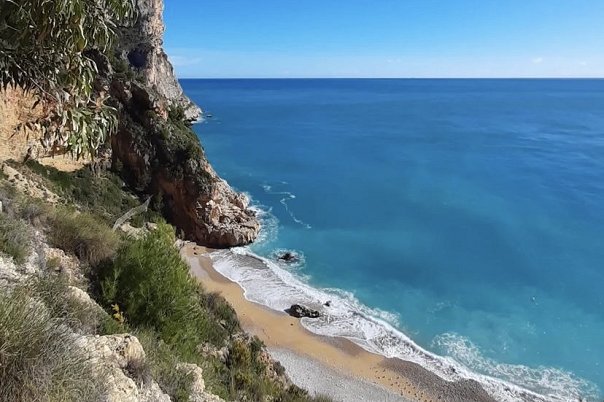
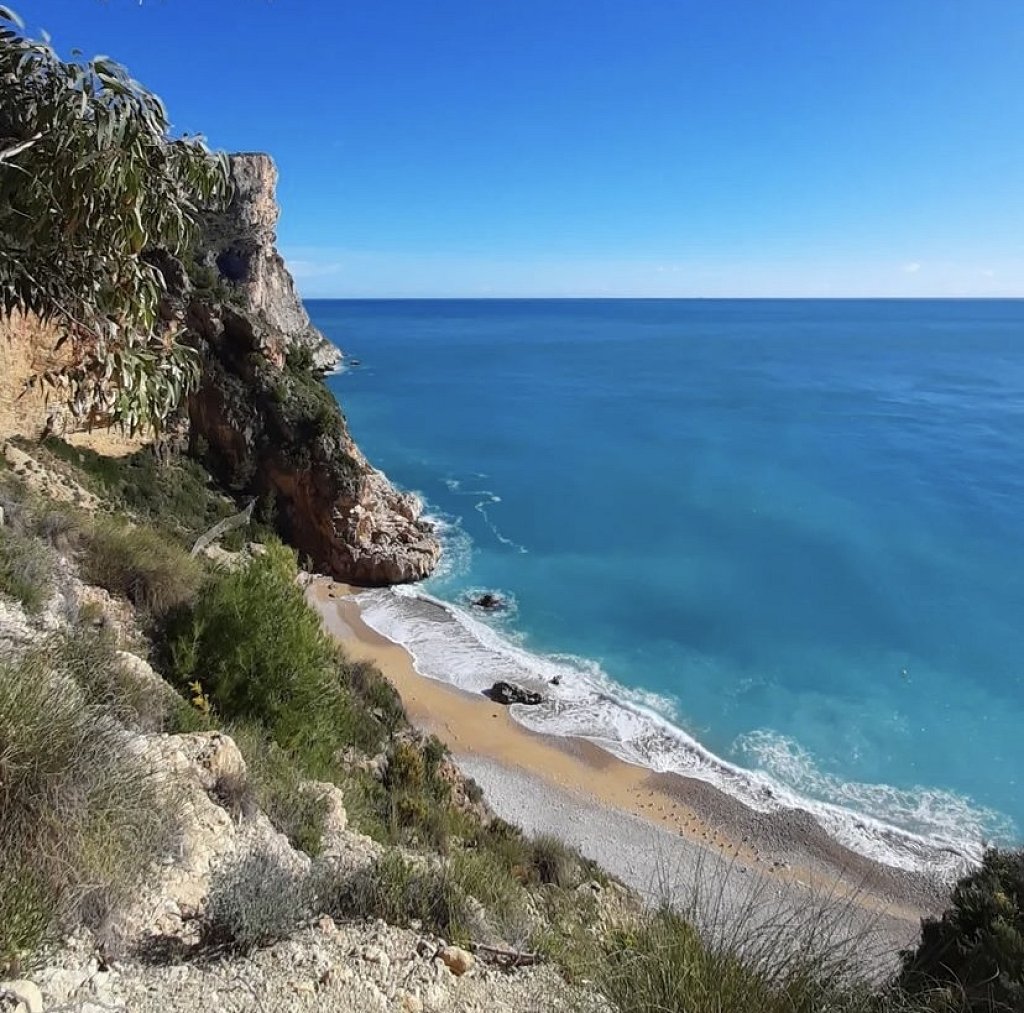
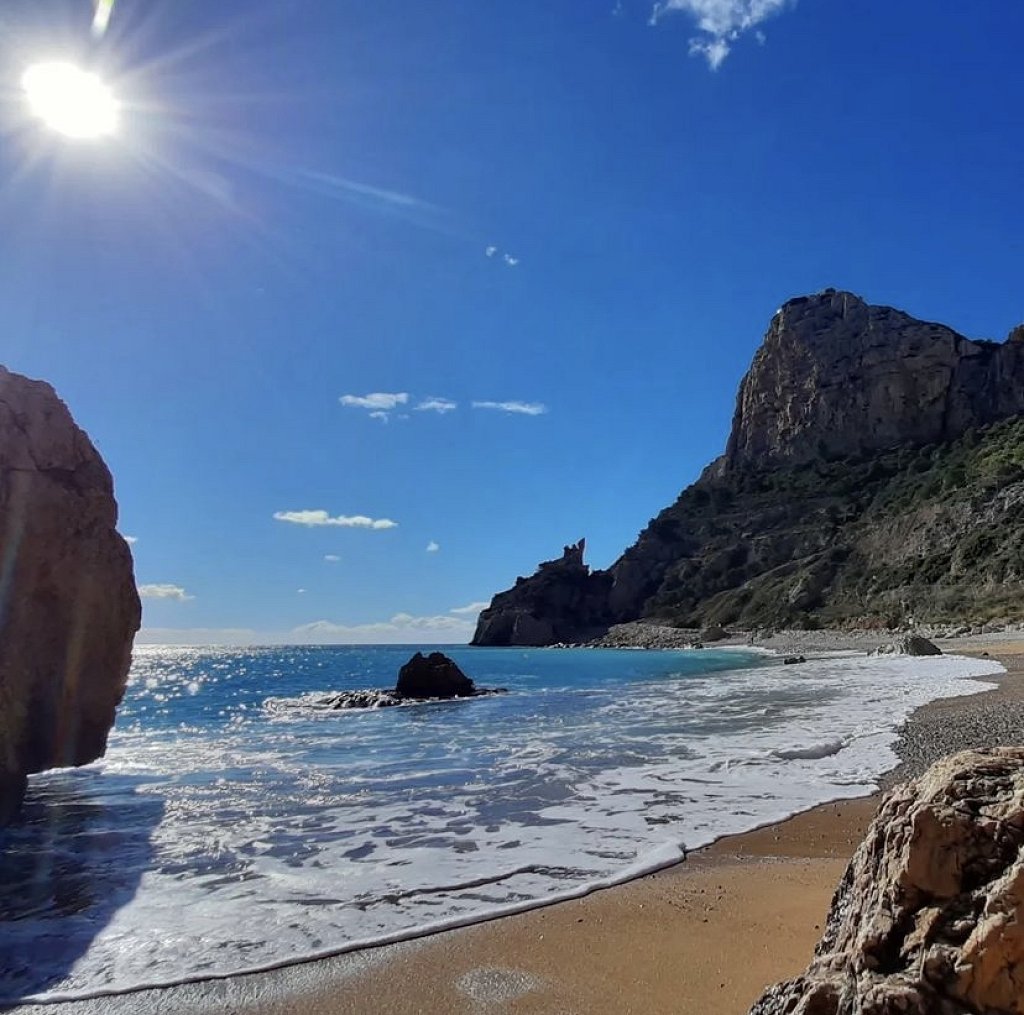
Located in neighbouring Benitachell, Cala Moraig is one of the area's most dramatic coastal locations.
Surrounded by steep cliffs, this picturesque cove is known for its clear Mediterranean water and striking geological landscape.
Nearby, Cova dels Arcs is a distinctive sea cave formation featuring natural arches and rock openings.
The setting is particularly popular with photographers and visitors interested in coastal geology.
However, the area includes steep terrain, slippery rocks and exposed coastal conditions.
Visitor tip: Check current access restrictions and avoid approaching cave entrances or entering the water during rough conditions.
Images by @matiburchell
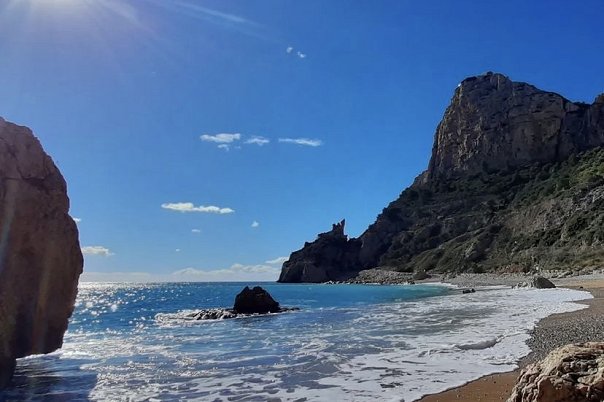
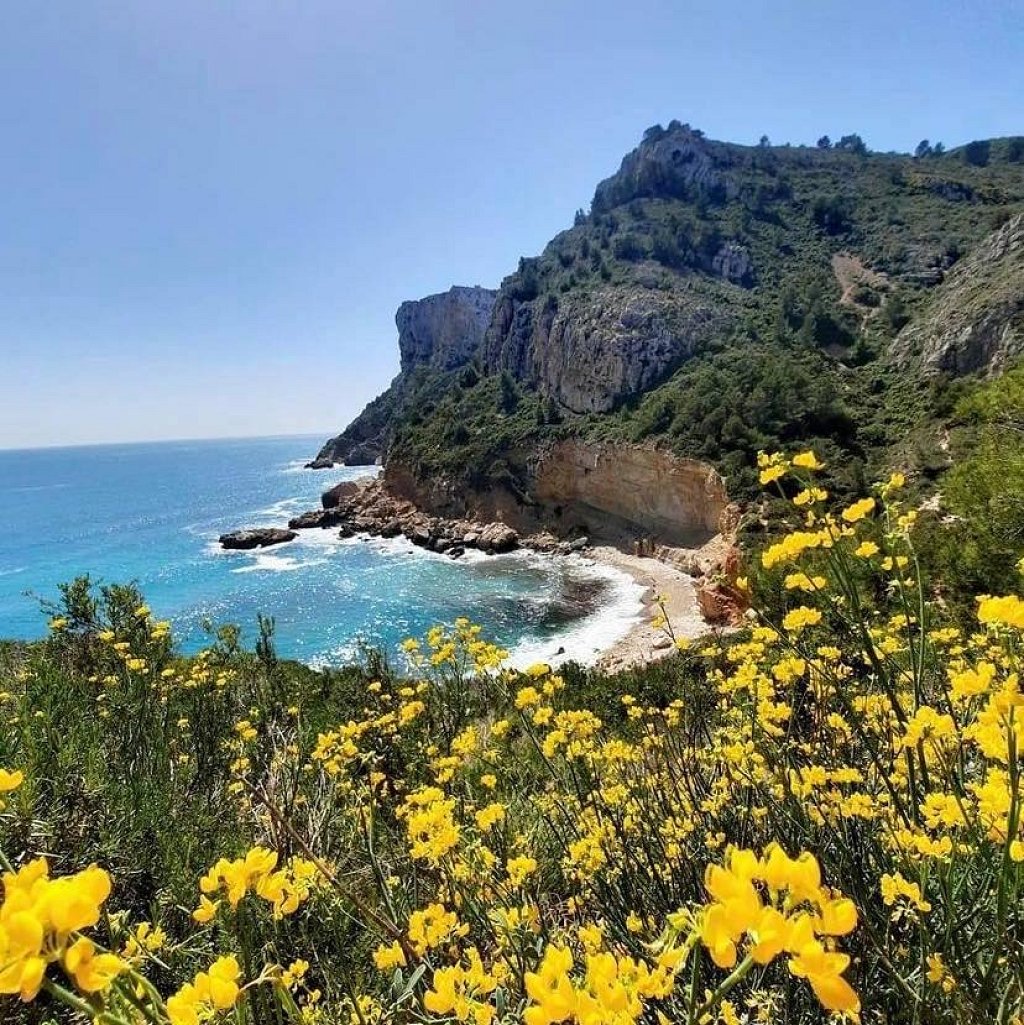
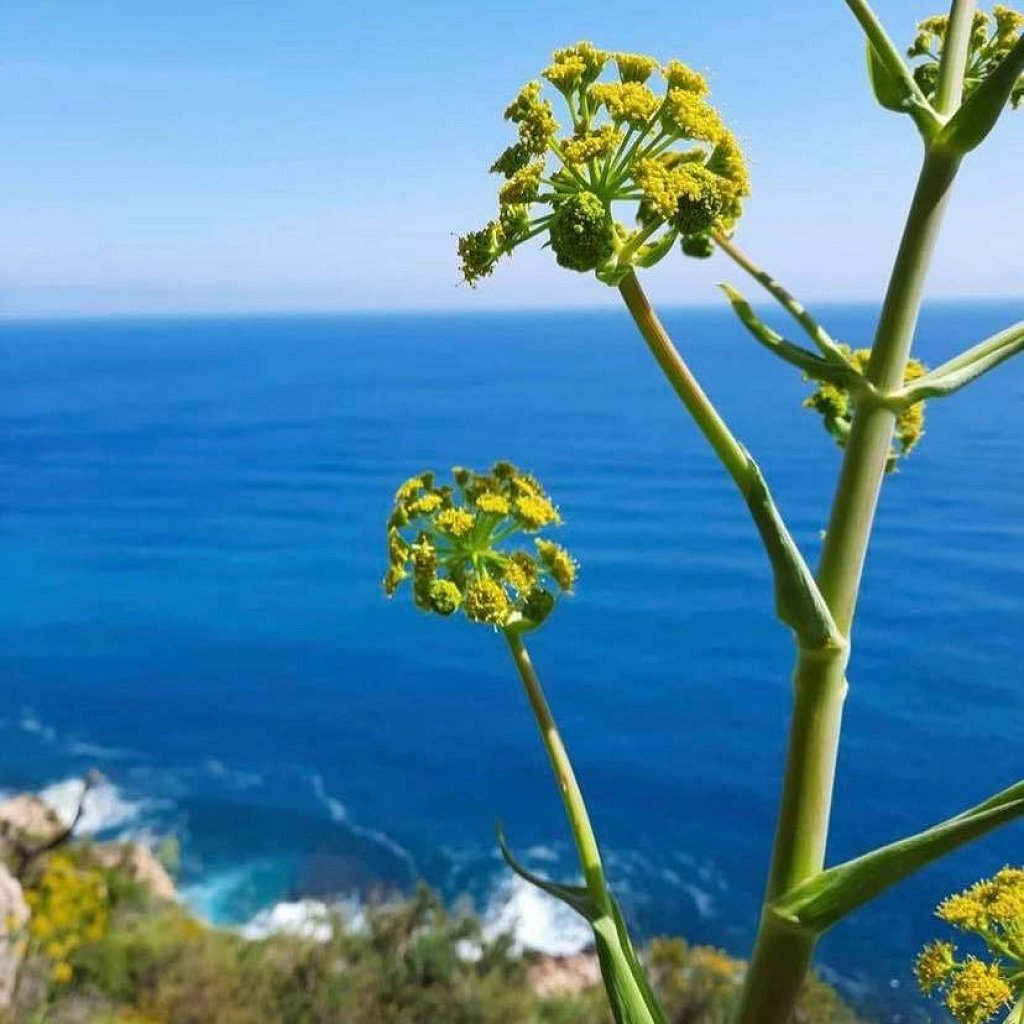
Cala Llebeig is a remote rocky cove reached by a demanding coastal walking route or by sea.
The surrounding cliffs and historic fishermen's shelters give the area a distinctive character.
Visitors following the coastal path can appreciate dramatic Mediterranean scenery and traditional coastal structures.
However, the route involves uneven ground, exposed sections and difficult access.
It is not suitable for young children, pushchairs or inexperienced walkers.
Read our Ruta de los Acantilados Walking Guide for more information about nearby coastal routes.
A short journey from Teulada, Benissa offers another beautiful historic centre to explore.
The town is known for its traditional architecture, historic churches and attractive streets.
Visitors can discover the impressive Puríssima Xiqueta Church, historic townhouses and architectural details reflecting the area's past.
Benissa also has traditional shops, cafés and cultural attractions, making it an appealing destination for a relaxed morning.
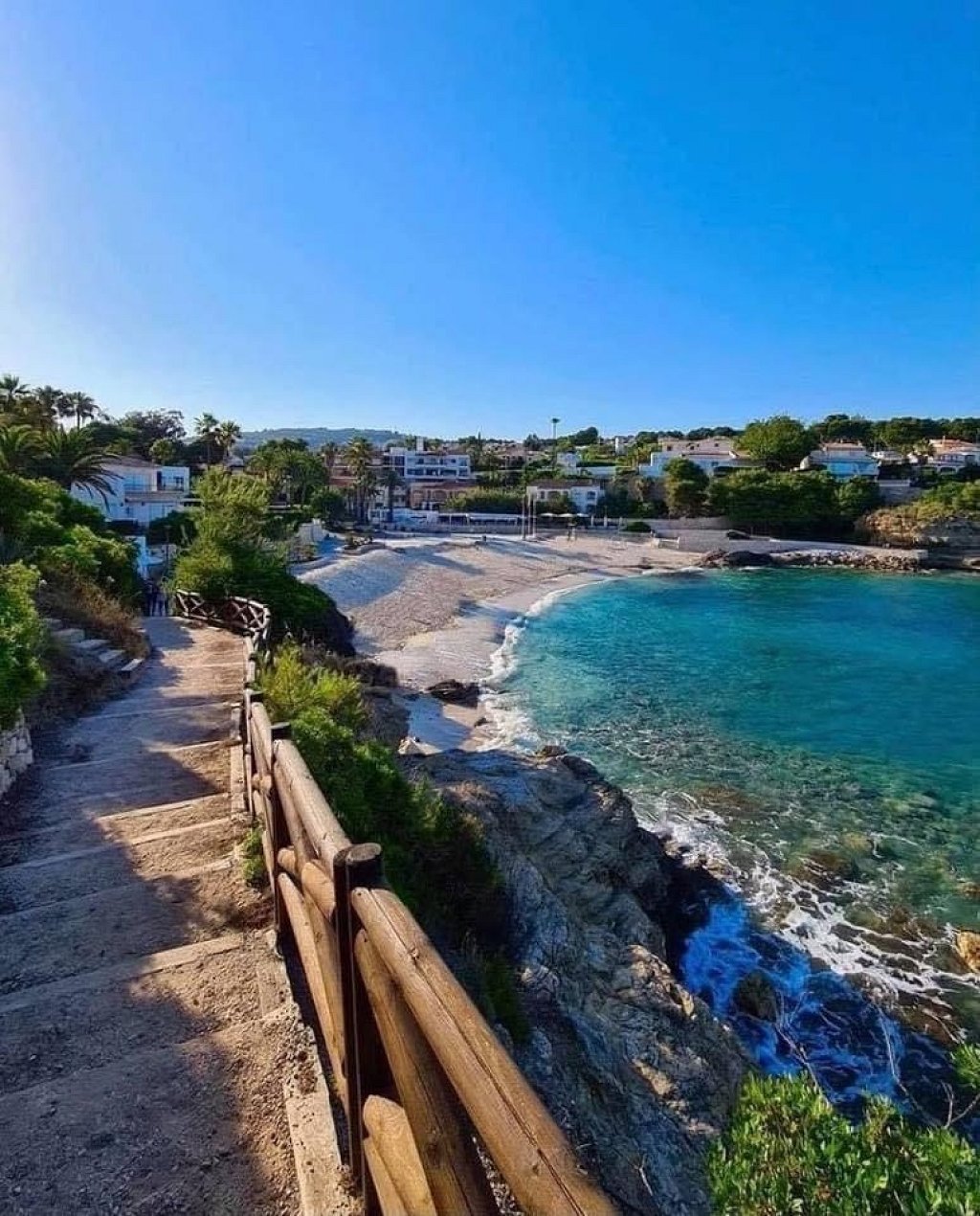
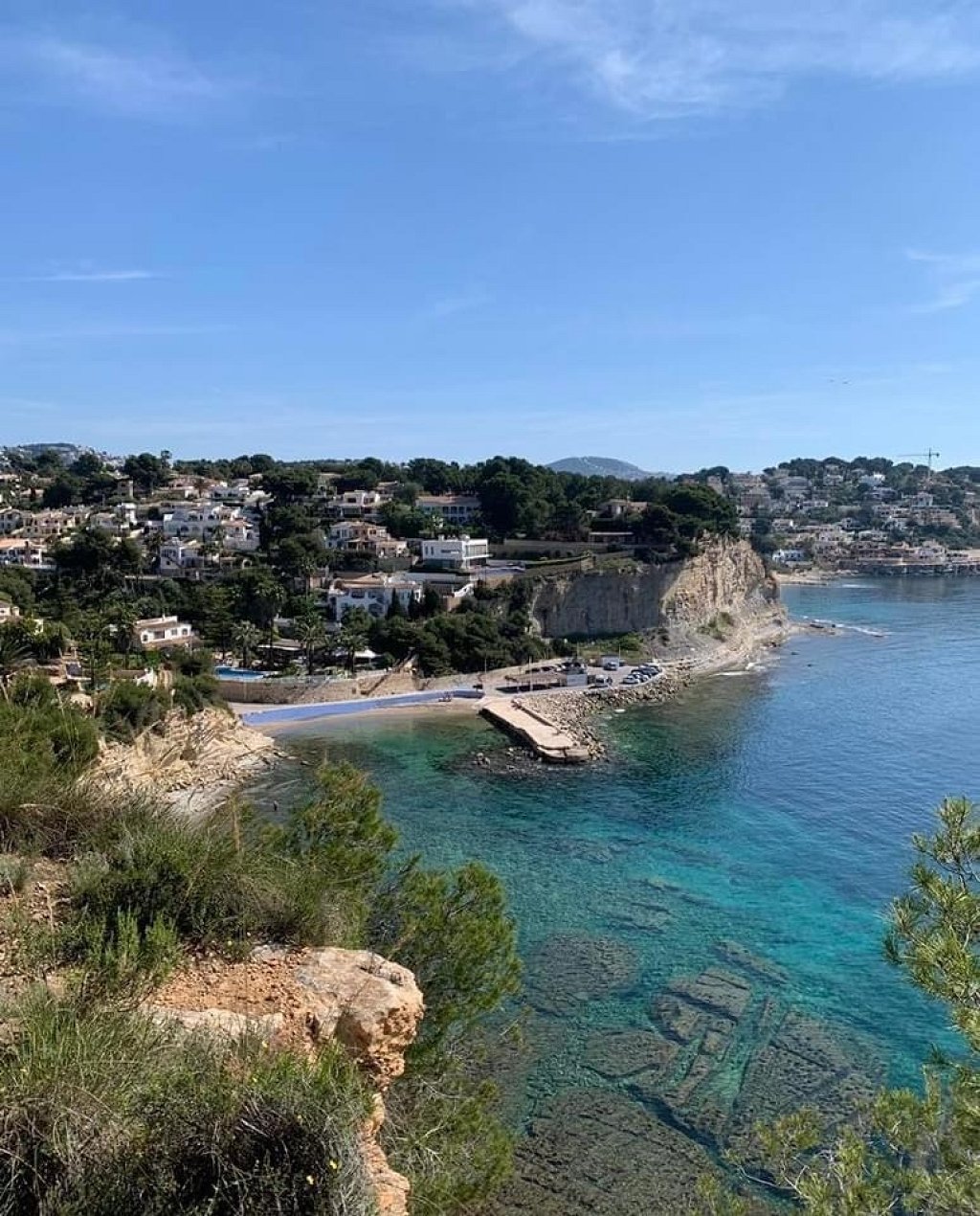
The Benissa Ecological Walk follows part of the beautiful coastline between Calpe and Moraira.
The route passes rocky coves, coastal viewpoints and Mediterranean vegetation, offering spectacular scenery.
Interpretation panels provide information about the local natural environment and coastline.
Visitors can choose shorter sections rather than completing the full route.
The walk is particularly enjoyable in spring and autumn, although some sections contain steps and uneven surfaces.
Explore our Paseo Ecológico de Benissa Guide.
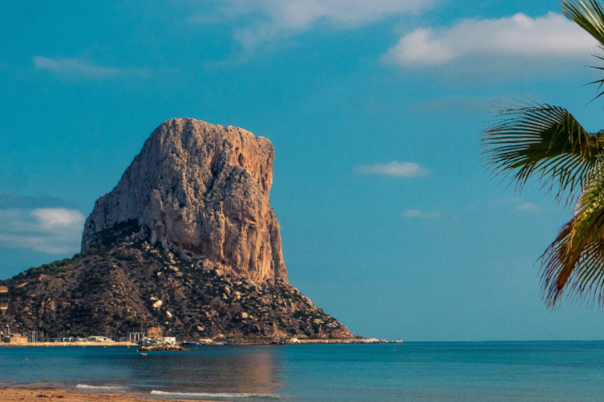
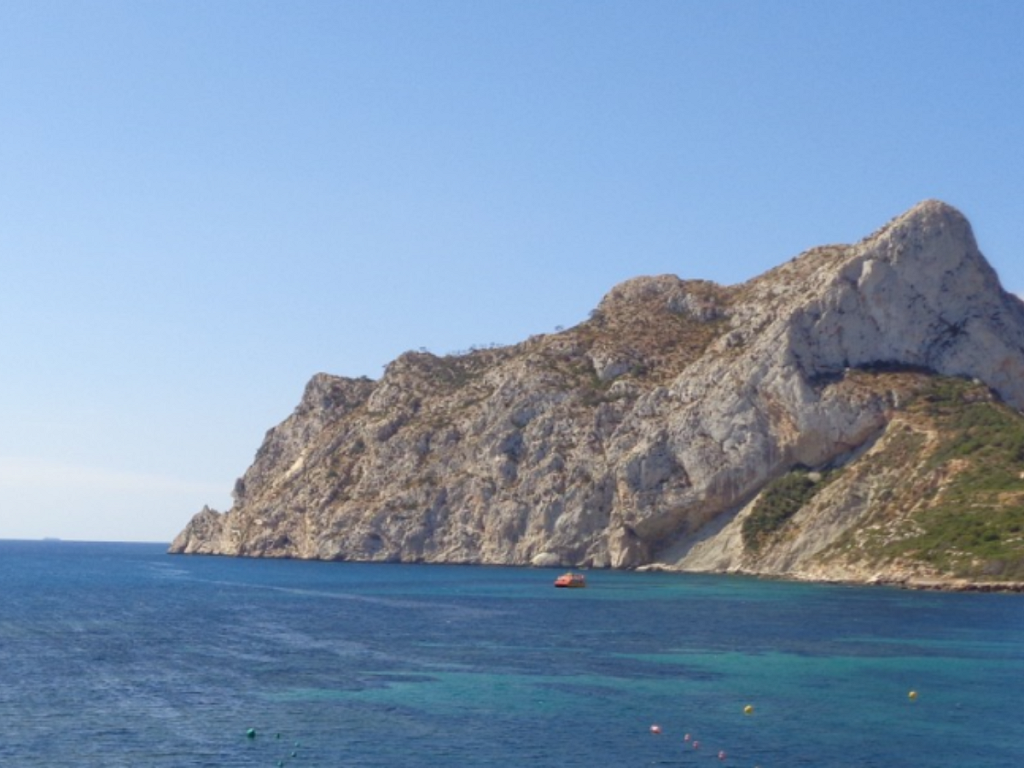
For one of the Costa Blanca's most recognisable attractions, visit the Peñón de Ifach in nearby Calpe.
This enormous limestone rock rises 332 metres above the Mediterranean and dominates the town's skyline.
Visitors can admire the landmark from the surrounding beaches and harbour or explore suitable sections of the protected natural park.
The more challenging hiking route towards the summit requires an official reservation and is unsuitable for inexperienced walkers.
Calpe also offers a historic Old Town, beautiful beaches and Roman archaeological attractions, making it a worthwhile destination for a longer visit.
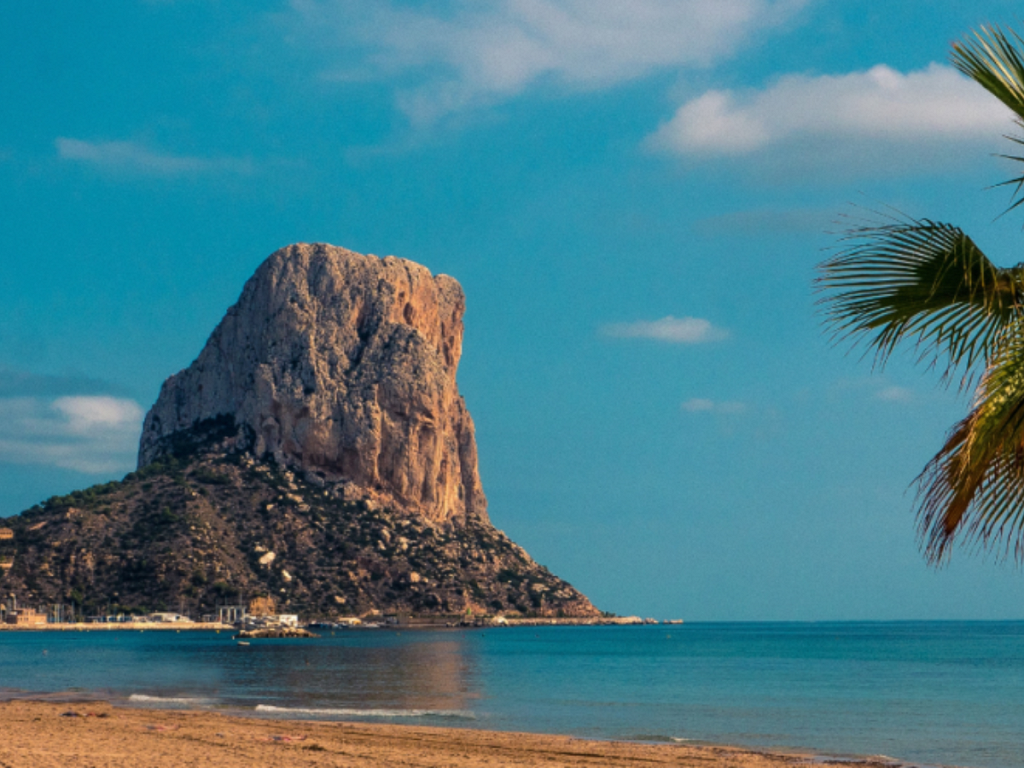
From the historic Moraira Castle and beautiful El Portet Bay to Teulada's Gothic streets, centuries-old churches and fascinating agricultural heritage, the municipality offers a remarkable variety of places to explore.
Its natural landscapes reveal a coastline shaped by the Mediterranean, while its historic buildings tell the story of communities whose lives were influenced by fishing, farming and maritime defence.
Whether you are interested in history, architecture, coastal scenery or discovering quieter corners of the Costa Blanca, Moraira and Teulada offer plenty of memorable places to visit.
Take time to explore both the coast and inland town, and you will discover a destination with much more to offer than its beautiful beaches.
MorairaOnline24 Sponsors



Featured Listings
Hiring a Car for Javea: What to Check Before Booking

Hiring a car for your Javea holiday starts with...
Moraira in Winter: What Visiting Outside Summer Is Like
Visiting Moraira in winter offers a different kind...
All inclusive Car Hire Alicante Airport

Find the best all-inclusive car hire from Alicante...
Getting Around Moraira: Buses, Taxis and Visiting Without a Car

A holiday in Moraira without a car can work well...
Ciclos Tony & SolyBike - Bike sales / rentals & Cycling Holidays Costa Blanca

Ciclos Tony & SolyBike combine the best of cycling...


 Spanish
 Chinese (simplified)
 Dutch
 French
 German
 Italian
 Norwegian
 Polish
 Romanian
 Russian