Visiting Moraira in winter offers a different kind of Costa Blanca holiday, with quieter beaches, coastal walks and more time to explore the town beyond its summer season. Sunny afternoons can suit terrace lunches and waterfront strolls, while cooler evenings call for layers and comfortable accommodation. This guide explains what to expect outside summer, including the atmosphere, weather, things to do, seasonal opening hours and practical considerations when choosing where to stay.

1st October 2026
Winter changes the pace of a visit to Moraira. The beach becomes somewhere to walk and watch the sea, lunch can be the main event of the day, and your plans are more likely to follow the weather than a sunbathing schedule.
For visitors who enjoy walking, eating out and spending time in a coastal town, that can be appealing. Come with a flexible itinerary and you can enjoy a different side of Moraira, with space for small discoveries between the better-known sights.
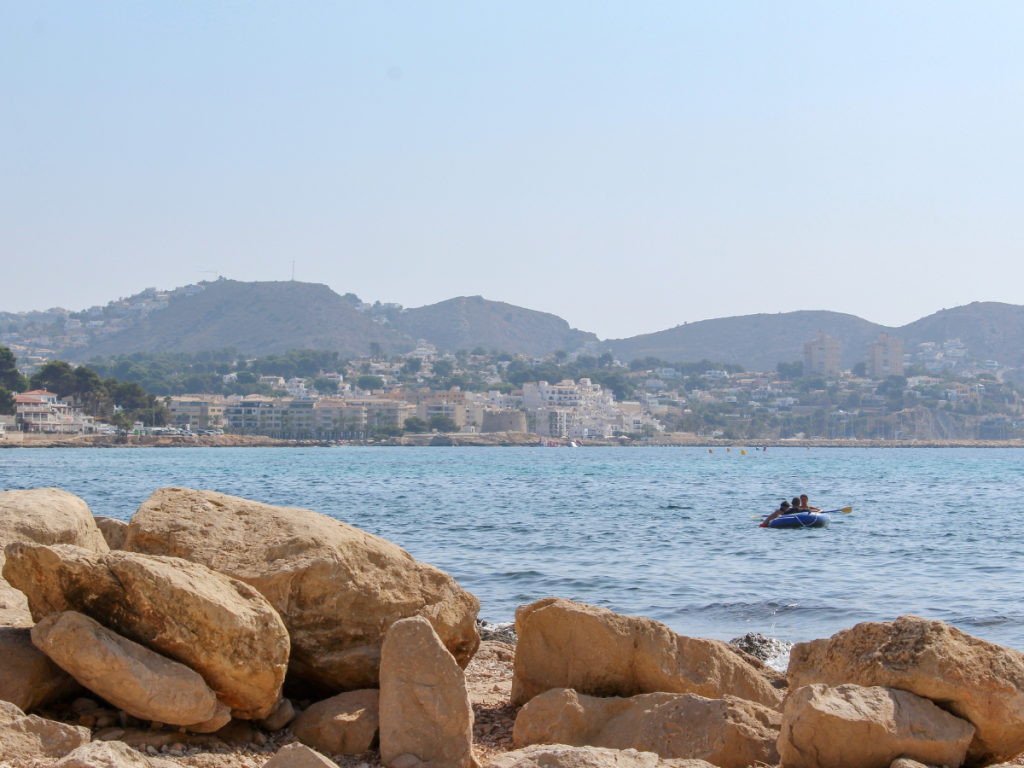
Images: Unsplash
Expect mild spells alongside cool evenings, wind and occasional rain. Sunshine can make a sheltered terrace feel comfortable, but it is sensible to pack for changing conditions.
For regional context, AEMET’s long-term figures for Alicante city show average January daytime maximums of around 17°C and overnight minimums of around 6°C. These are regional reference figures rather than a forecast for Moraira, where local conditions can differ.
Bring layers, a windproof jacket and shoes suitable for wet pavements or rocky paths. Check the forecast before planning a longer walk.
A winter beach visit is about the setting as much as the sand. Walk beside L’Ampolla, take photographs across El Portet or pause along the promenade at Les Platgetes.
You can enjoy these places without planning a full beach day, making them useful stops between breakfast, sightseeing and lunch. Swimming requires more consideration: do not assume summer lifeguard cover, equipment hire or other seasonal services will be available.
Use our Moraira Beaches Guide to choose where to explore.
Cooler weather can make walking an attractive part of a winter holiday. A short waterfront stroll suits a relaxed morning, while the Cap d’Or Walk offers a more active outing above El Portet.
For another day out, consider the Paseo Ecológico de Benissa, choosing a section that suits your group.
Start longer routes early enough to finish in daylight. After rain, rocky paths can be slippery; postpone exposed walks during strong winds or poor weather. Our Walking Guide provides more route ideas.
Winter gives you a reason to make daytime experiences the focus of your stay. Browse the weekly market, explore the streets around the waterfront or choose a restaurant where you can linger over lunch.
Our Moraira and Teulada Markets guide helps you plan a market visit. For dining inspiration, browse Sea-View Restaurants in Moraira.
Check opening hours directly before travelling to a particular venue. Restaurants may take annual holidays, close on selected days or operate different winter hours.
Plan winter evenings around a confirmed booking or current entertainment announcement. A wine bar, dinner with friends or a live performance can give the evening a focus, but summer schedules should not be treated as year-round programmes.
Explore our Moraira Nightlife guide for venue ideas.
There are also winter traditions across Teulada-Moraira, including Sant Antoni in January and Sant Blai in February. Check the current programme for dates, venues and activities, as celebrations take place across the municipality.
Find announcements through our What’s On Guide.
Location and comfort deserve particular attention outside summer. If you want to walk to meals and shops, look closely at accommodation near the centre and check the actual route rather than relying on distance alone.
For a villa stay, ask about heating in bedrooms and living areas, whether it costs extra and how much sunlight the property receives. Confirm whether any advertised pool is heated and available during your dates.
Our Where to Stay in Moraira guide explains the differences between areas.
A central stay can work well for visitors who mainly want to explore Moraira on foot. A car offers more flexibility for countryside outings and neighbouring towns.
Autobuses Ifach publishes a winter timetable for Line 3, connecting Calpe, Moraira and Teulada. Check the current service and your return journey before planning a day out.
Read our Getting Around Moraira guide for transport options.
Moraira suits a winter visit if your ideal break includes coastal scenery, walks, leisurely meals and a flexible pace. Choose comfortable accommodation, keep a few plans for unsettled weather and enjoy the sunny days when they arrive.
MorairaOnline24 Sponsors


Featured Businesses
Alquileres Villamar - Holiday Rentals Moraira - Calpe - Benissa - Benitachell

Alquileres Villamar - Holiday Rentals & Homes is a...
Caballito de Mar - Boutique Hotel Moraira

Caballito de Mar is a small friendly hotel & B&B...
Getting to Moraira from Alicante and Valencia Airports

Flying to Moraira? Alicante and Valencia airports...
BlancaCars - Car Hire Moraira

BlancaCars Rent A Car Moraira offers Car Hire in...
White Coast Property Management - Javea & Moraira Holiday Rentals
White Coast Property Management offers luxury...
Transfers from Alicante Airport

Find information about transfers from Alicante...
Rent A Car Calpe - Costa Blanca Car Rentals & Hire

Find Rent A Car businesses offering services in...
Hotel Los Limoneros

Hotel Los Limoneros is a 3 star Finca style hotel...
Blanca Cars - Car Hire / Rentals Costa Blanca

Blanca Cars Javea is a Car Hire Company in Javea,...
Alicante Taxi Transfers Costa Blanca

Alicante Taxi Transfers are provided by...


 Spanish
 Chinese (simplified)
 Dutch
Dutch French
 German
 Italian
 Norwegian
 Polish
 Romanian
 Russian