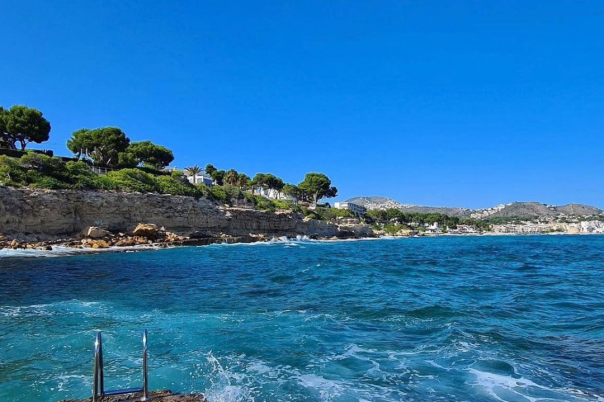
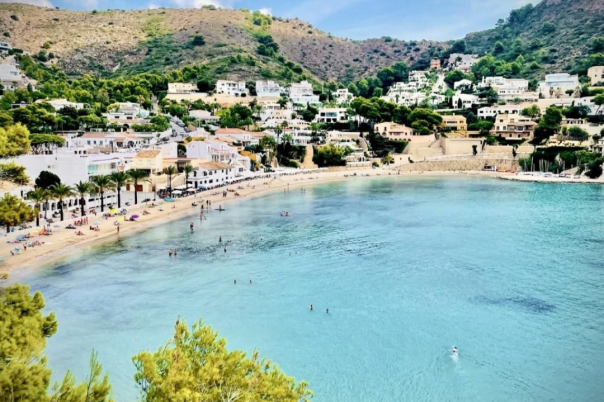
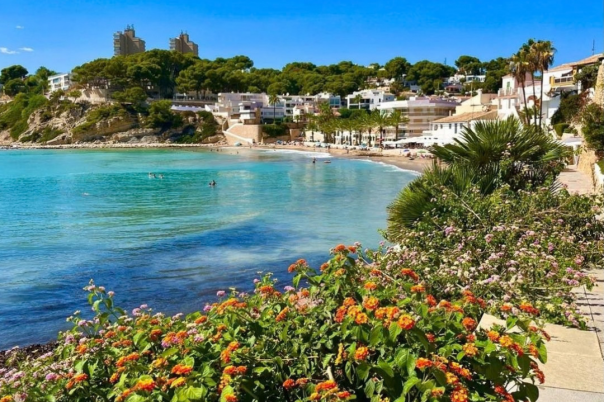
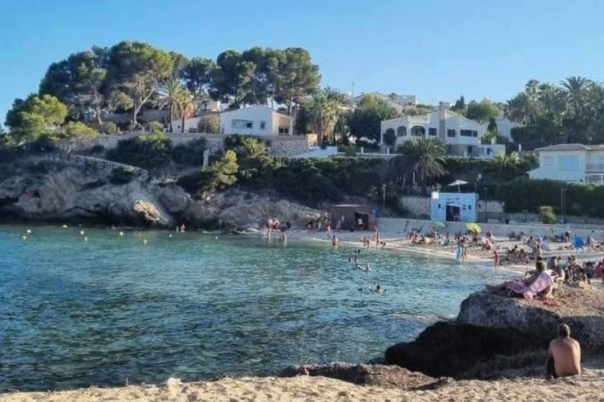
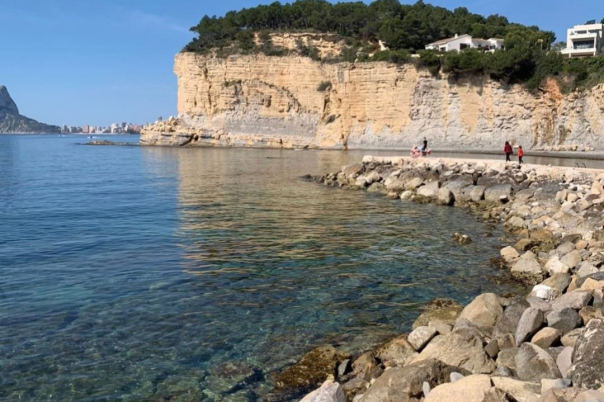
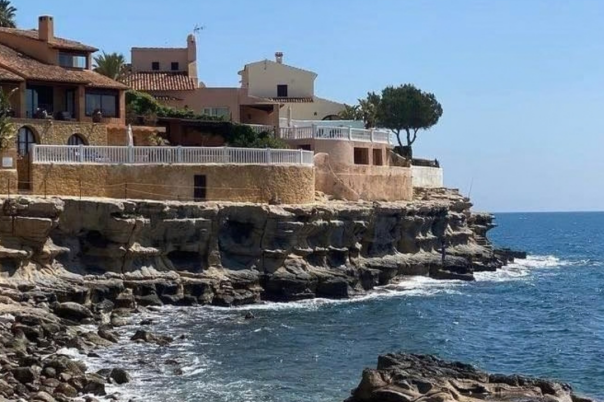
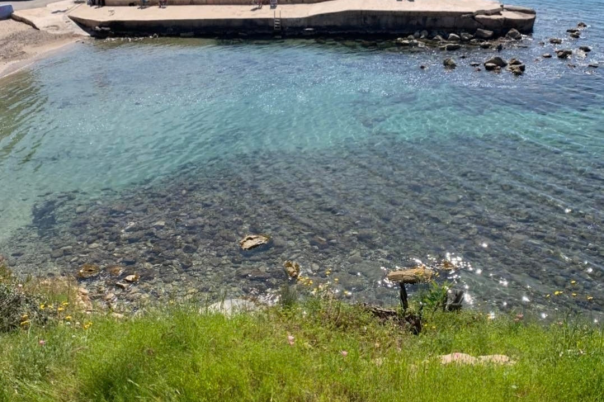
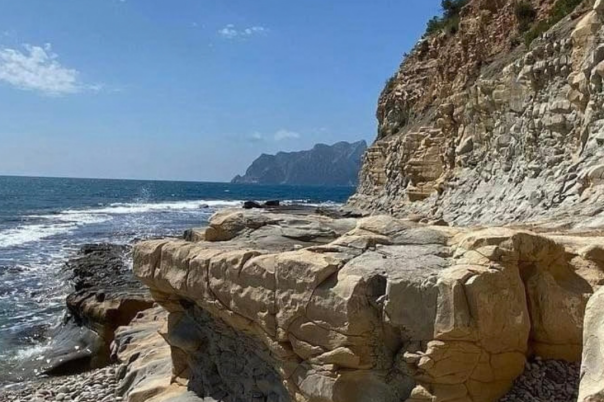
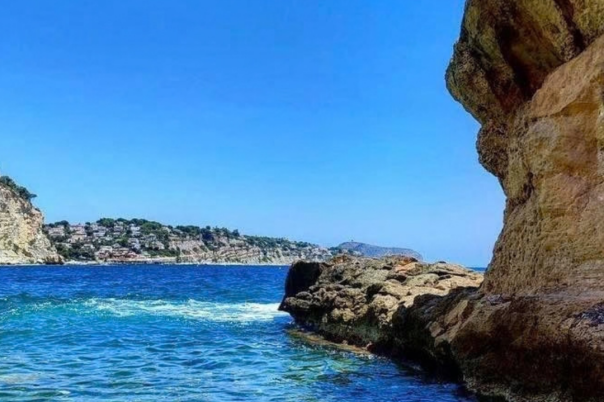
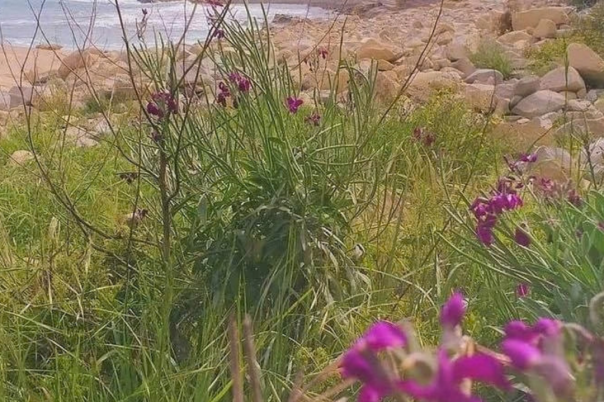
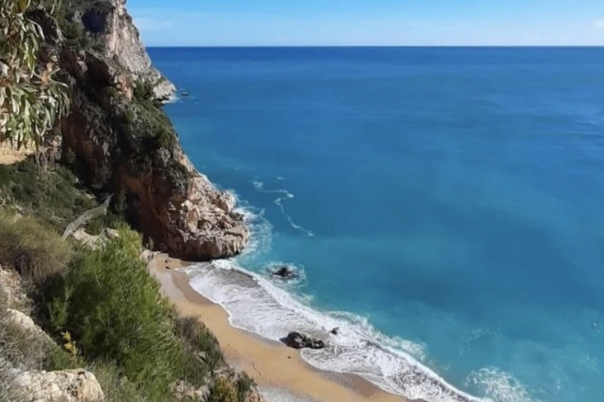
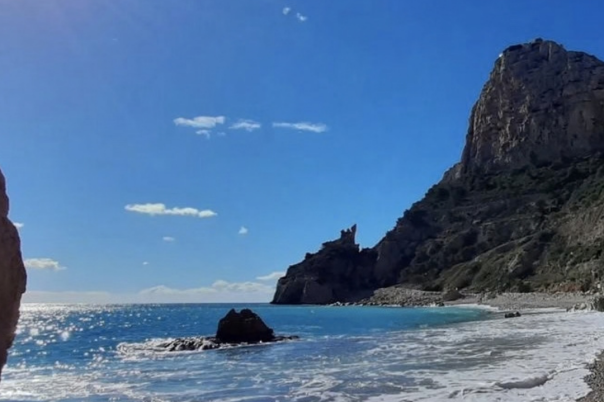
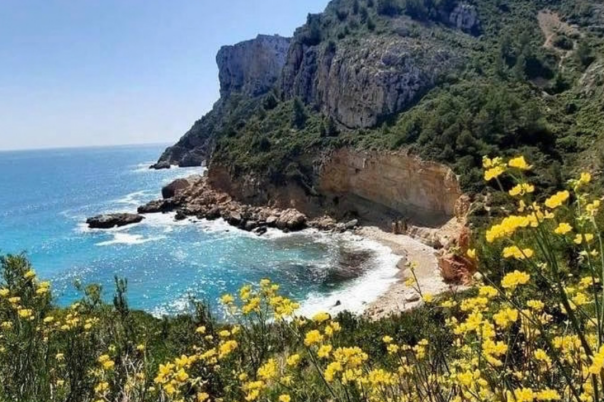
Choosing a beach in Moraira depends on the day you have in mind. L’Ampolla offers sand beside the town centre, El Portet combines a picturesque bay with waterside dining, and Les Platgetes gives you sandy and rocky sections to explore. This guide compares Moraira’s main beaches and the nearby coves featured in our beach directory, including destinations along the Benissa and Benitachell coast, with links to detailed visitor information.
1st October 2026
A sandy beach within reach of lunch and shops, a rocky cove for snorkelling, or a coastal walk ending beside the water - Moraira and its neighbouring coastline offer several different experiences.
For a straightforward beach day, start with Moraira’s main beaches. If you want to explore farther, the Benissa coast has a mixture of sandy bays and rocky coves, while Benitachell offers dramatic cliff-backed scenery.
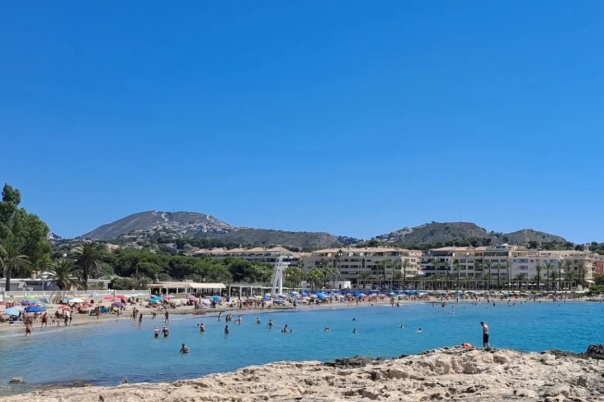
If convenience is your priority, L’Ampolla is a good place to start. Beside Moraira Castle and close to the centre, it lets you combine time on the sand with cafés, shops and a waterfront stroll.
The official tourism guide lists walkways, toilets, foot showers, play areas, lifeguards and sunbed and parasol hire. Some services operate seasonally, so check availability if a particular facility is essential to your visit.
Its central setting makes L’Ampolla a practical option for families who prefer to keep the day’s activities close together.
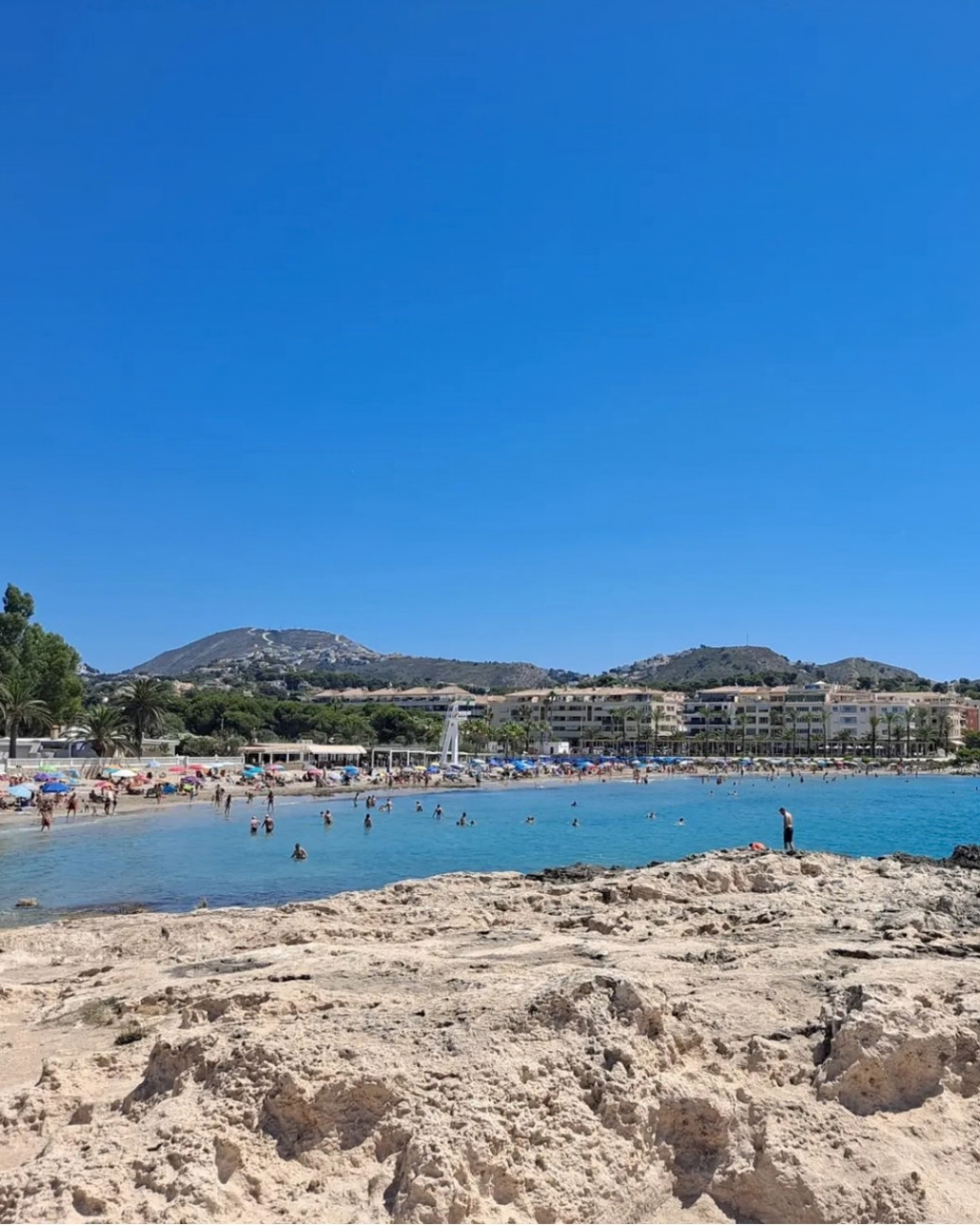
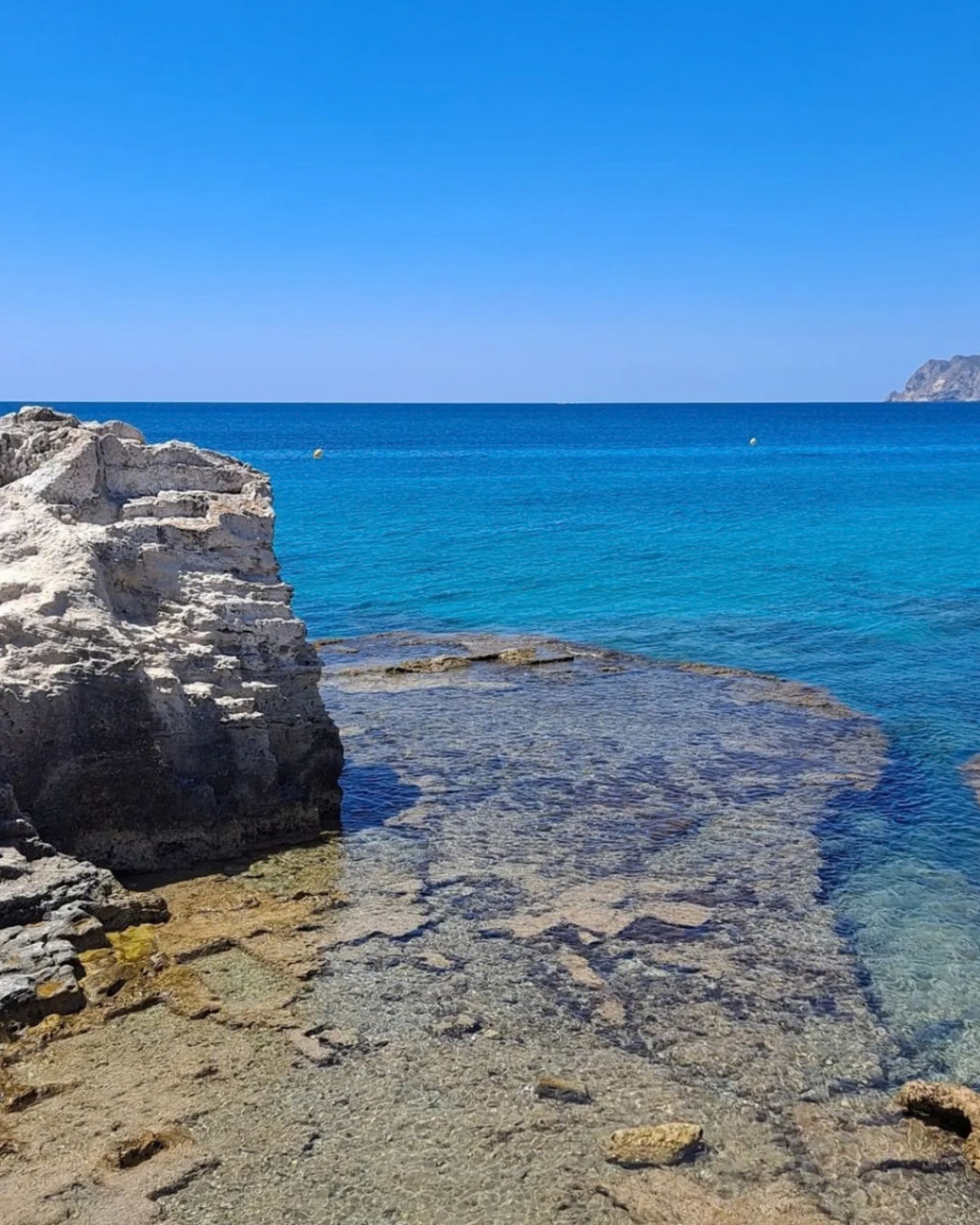
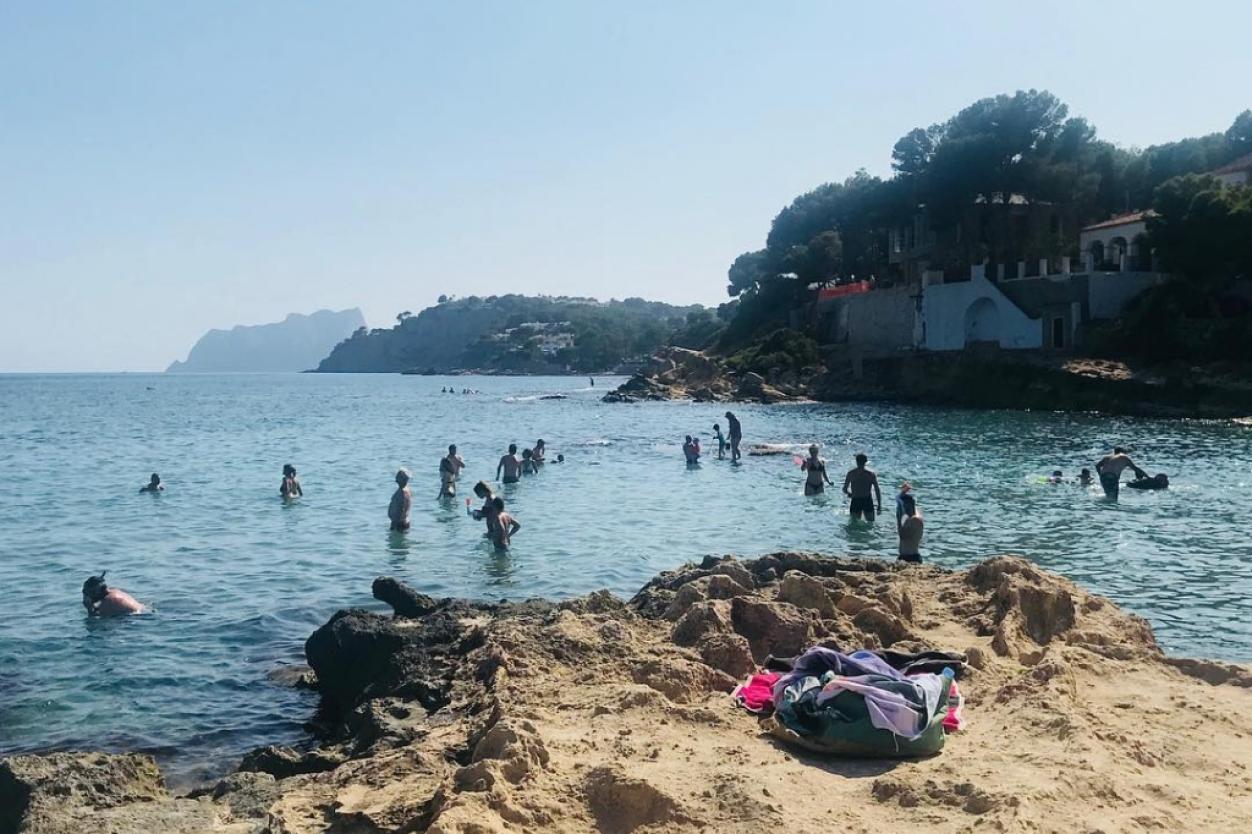
With Cap d’Or overlooking the water, El Portet offers one of Moraira’s most distinctive beach settings. Its predominantly sandy shoreline includes some pebbly sections, with restaurants nearby for lunch overlooking the bay.
Swimming and kayaking are popular when conditions allow, and the official tourism listing identifies summer services including lifeguards.
Choose El Portet when the setting matters as much as the beach itself. Its compact shoreline can become busy, so allow extra time for parking during peak periods.
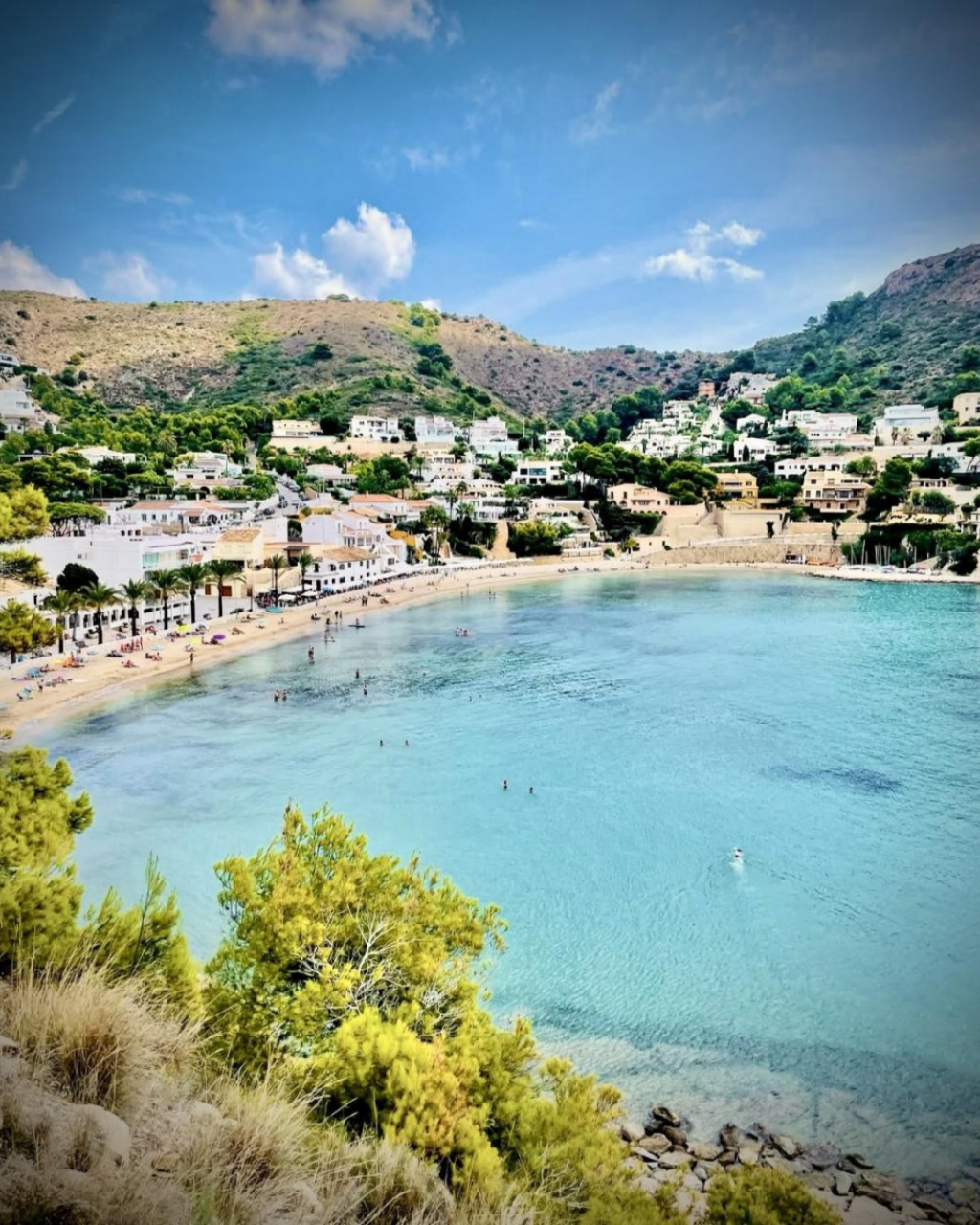
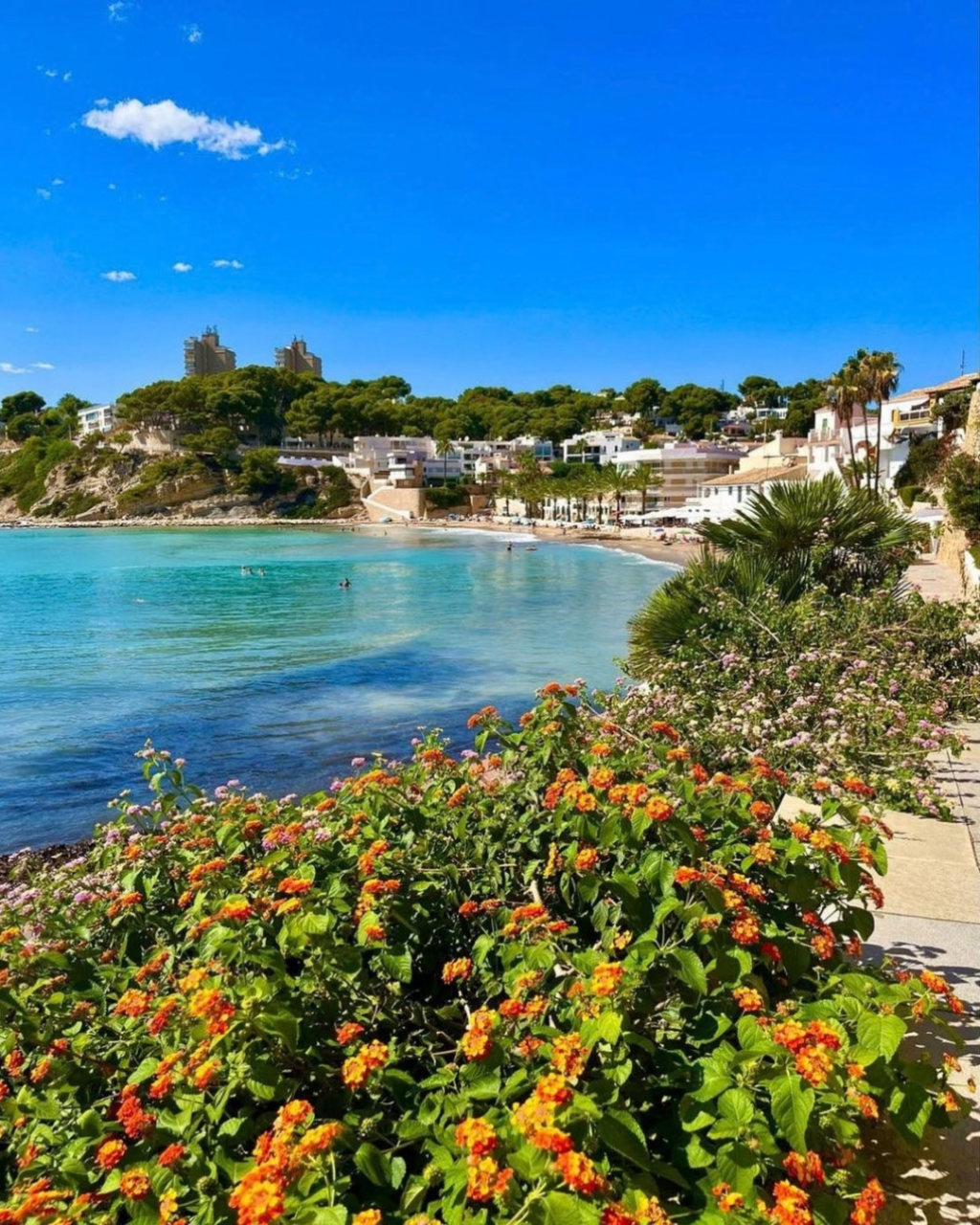
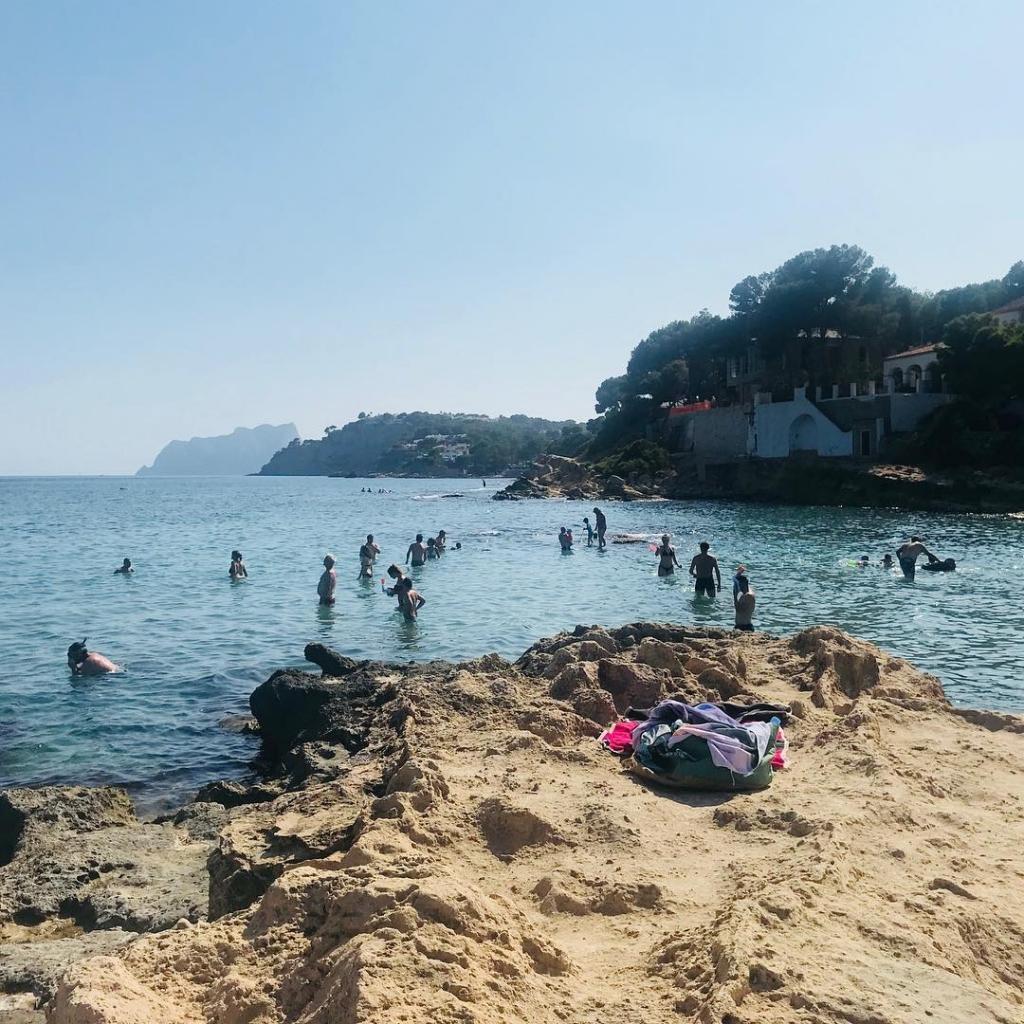
Les Platgetes combines two small coves with sandy and rocky areas. An adjoining promenade and viewpoint with gardens provide somewhere to enjoy the scenery, whether you are planning to swim or simply spend time beside the sea.
The official tourism listing also identifies a car park, although that does not guarantee an available space on a busy day. It is worth considering if your group likes a mixture of shoreline rather than one continuous sandy beach.
Read our Les Platgetes Beach guide.
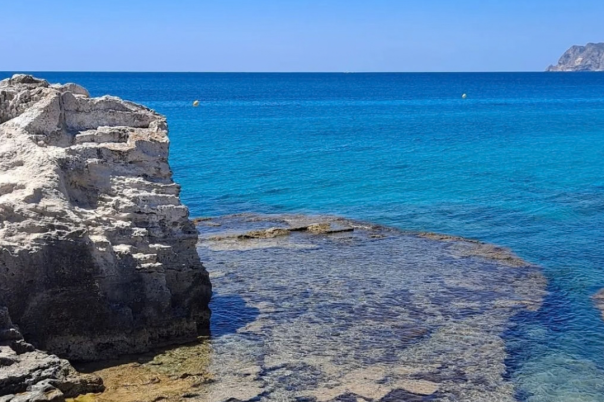
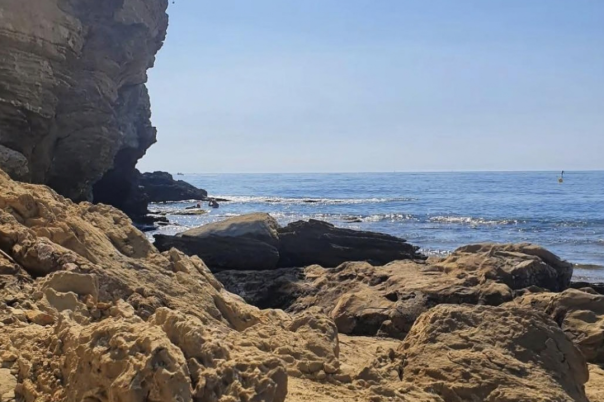
Cala L’Andragó is on the Teulada-Moraira coastline towards Calpe. Its rocky setting offers a different experience from the sandy town beaches.
Consider it for coastal scenery and exploring the water when conditions are suitable. Rocky surfaces require more care than a sandy shoreline, particularly when entering and leaving the sea.
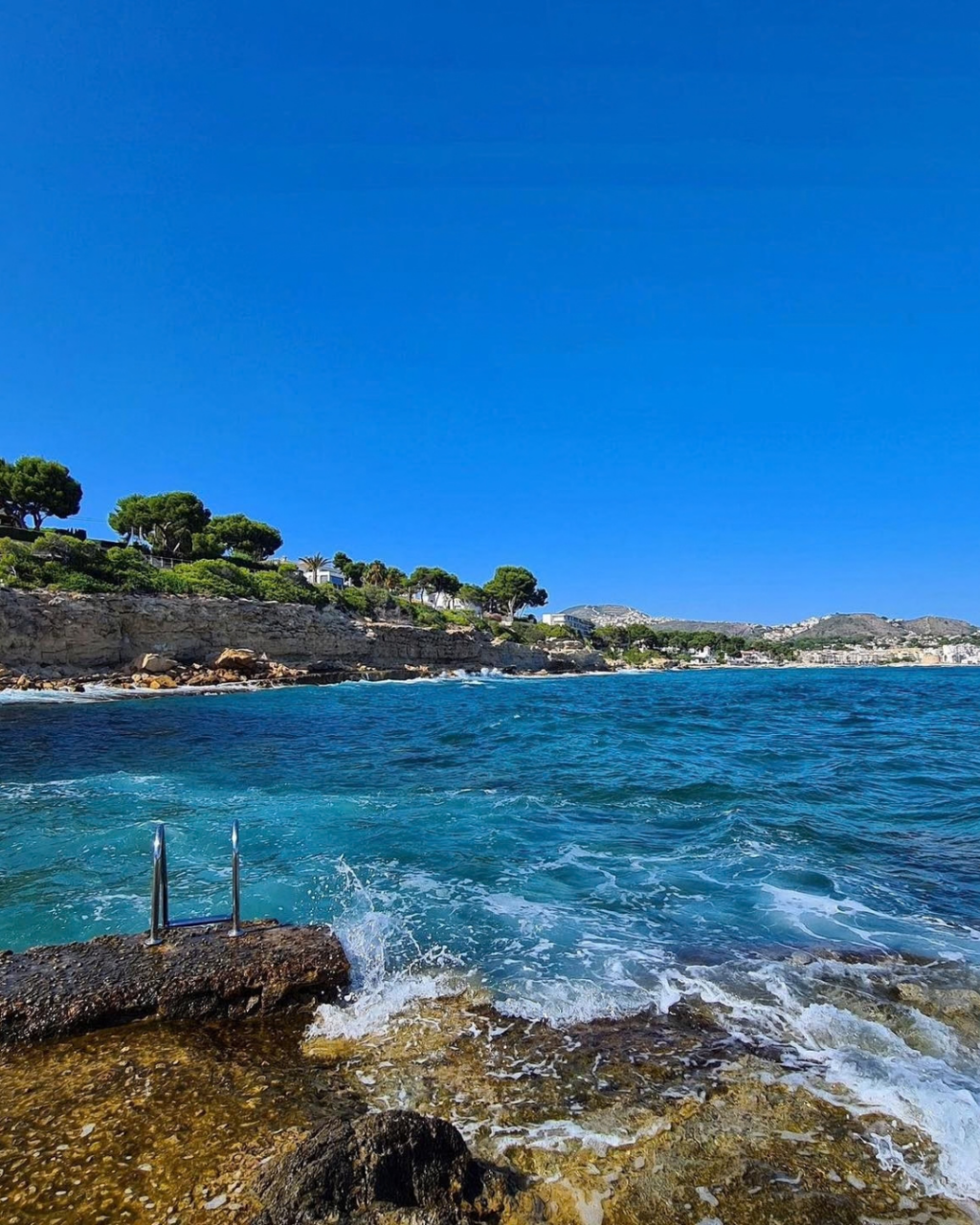
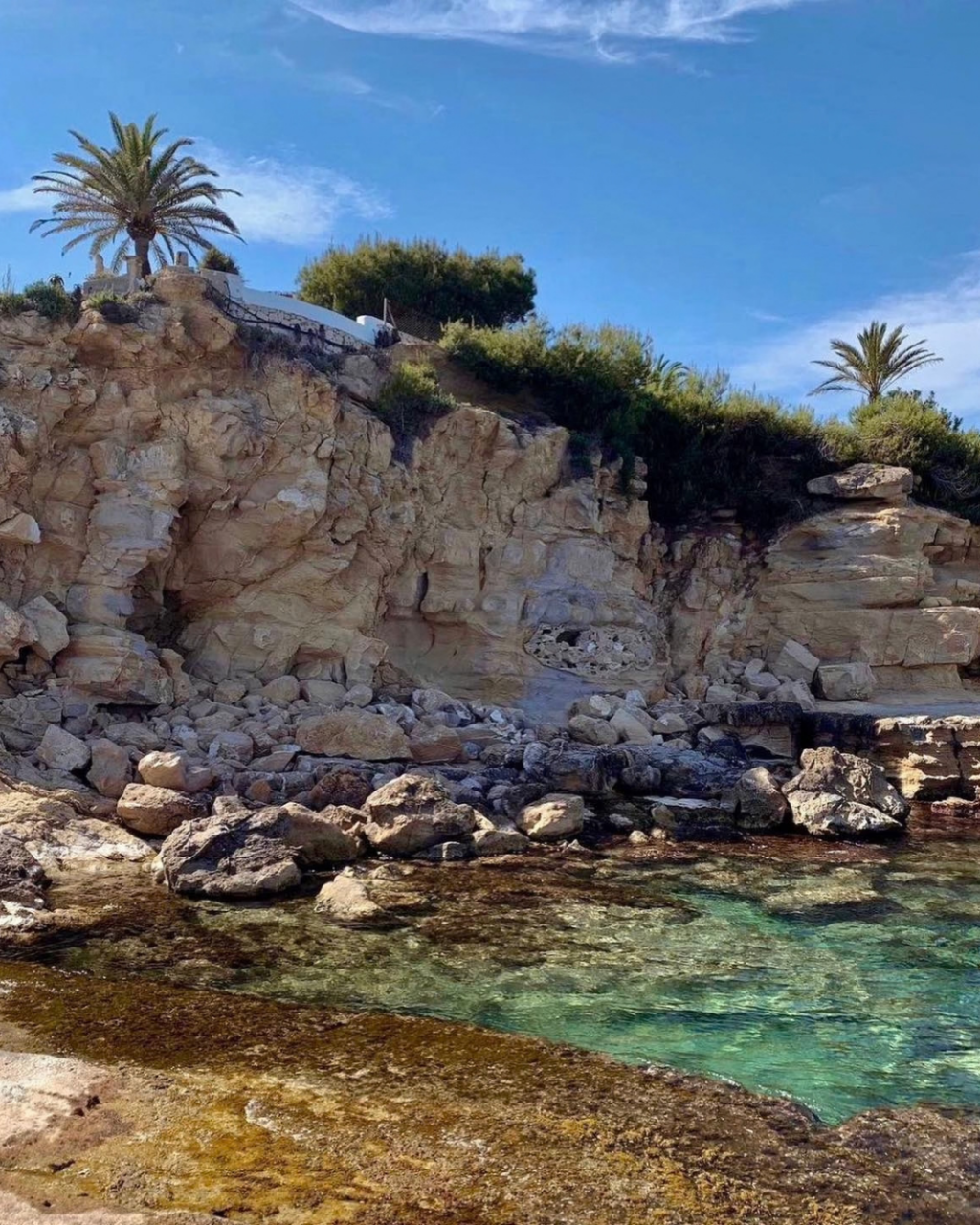
These beaches and coves are outside Moraira, but offer worthwhile options for exploring the neighbouring coastline.
La Fustera is a sandy beach on the Benissa coast. It is a useful choice for visitors who want to explore beyond Moraira while retaining a traditional beach-day setting.
You can also combine it with a section of Benissa’s ecological coastal walk, adding viewpoints and coastal scenery to your outing.
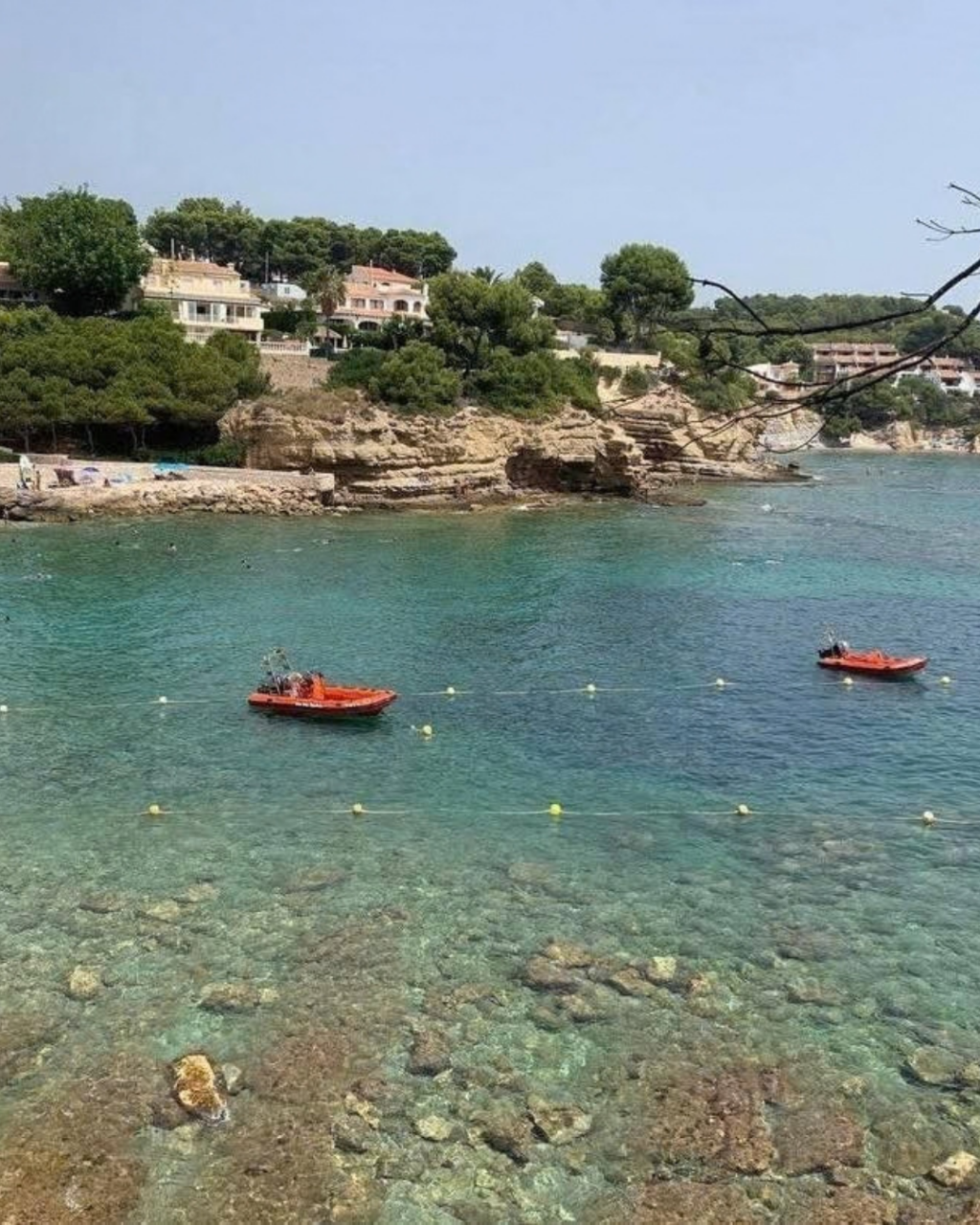
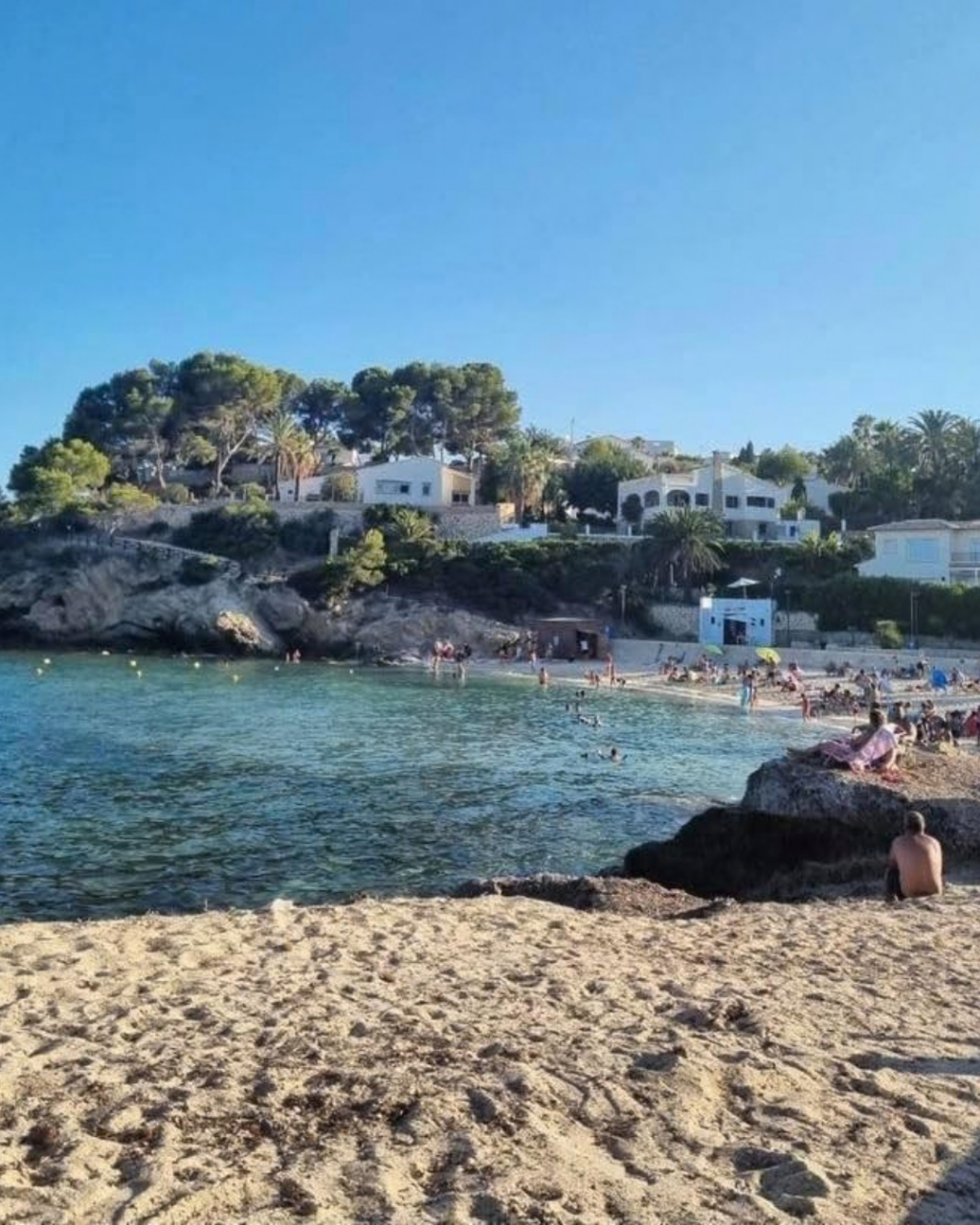
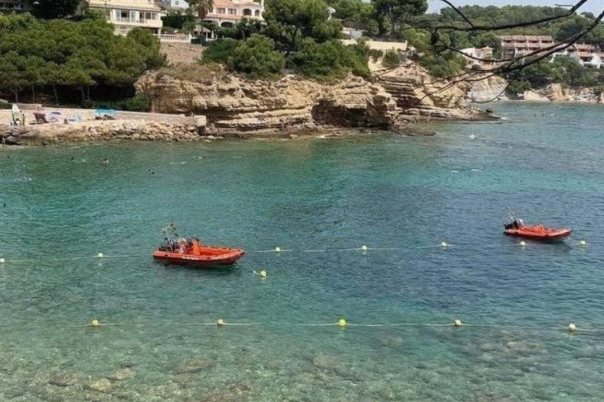
Cala Els Pinets combines sand, pebbles and rock in a compact coastal setting. It offers a different atmosphere from the larger sandy beaches, making it appealing for visitors who enjoy exploring a more varied shoreline.
Snorkelling is one of the activities highlighted by Benissa’s tourism service, although suitability depends on visibility, waves and your experience.
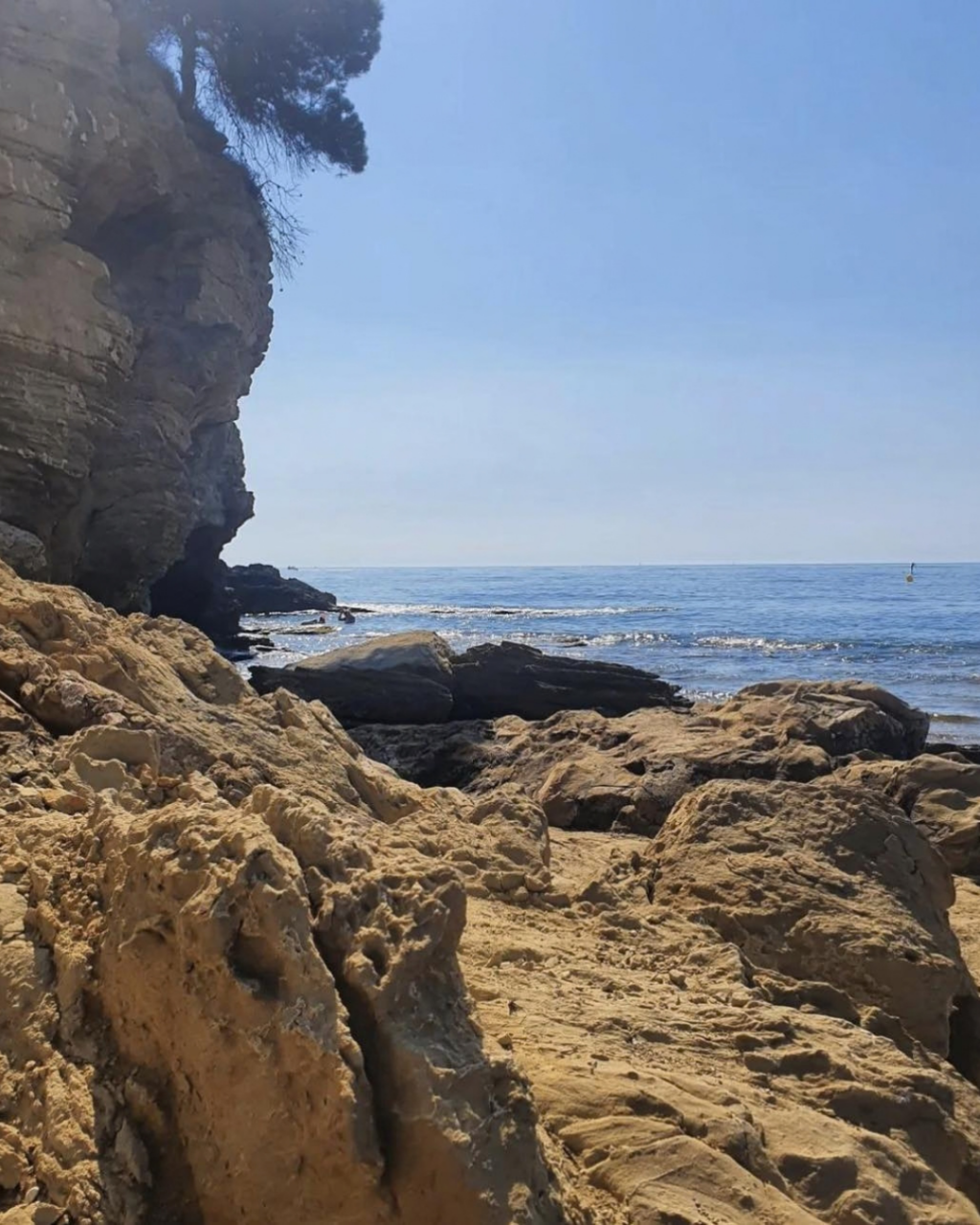
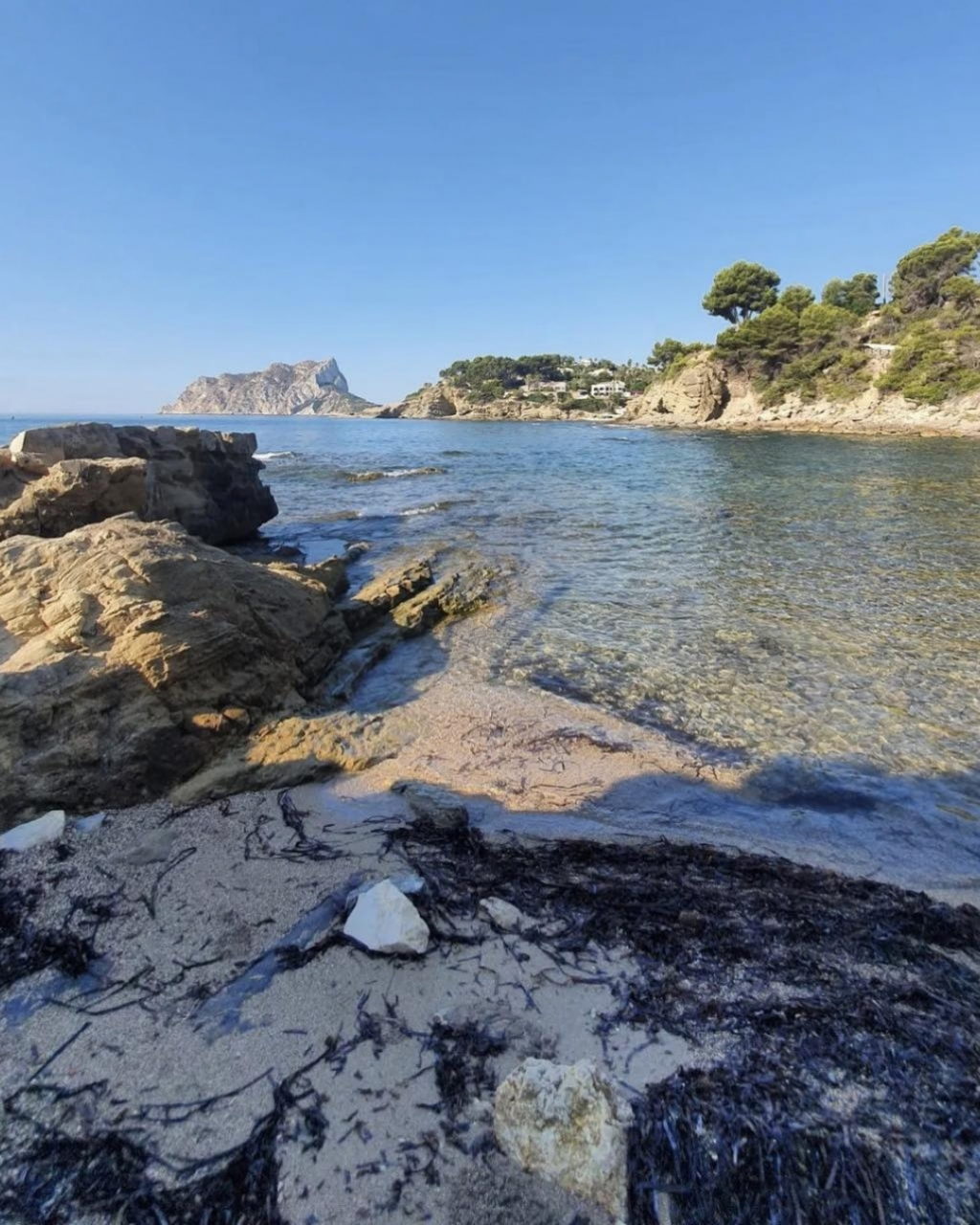
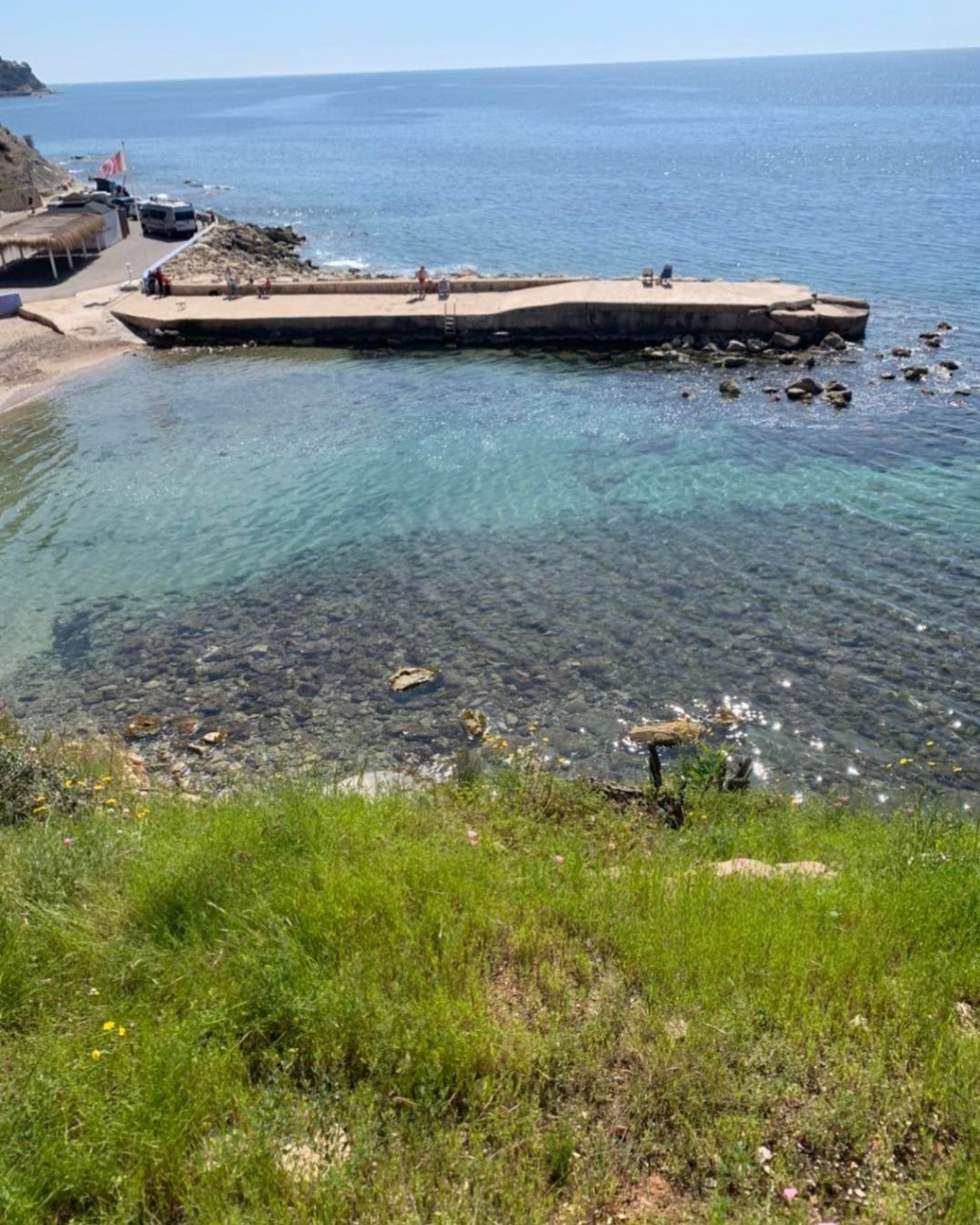
Cala de l’Advocat has a small sandy shoreline and a distinctive breakwater. It is another option for a coastal stop along Benissa’s shoreline, with opportunities to enjoy the scenery as well as the beach.
Choose it for a smaller beach setting, while remembering that the breakwater does not guarantee calm or safe swimming conditions.
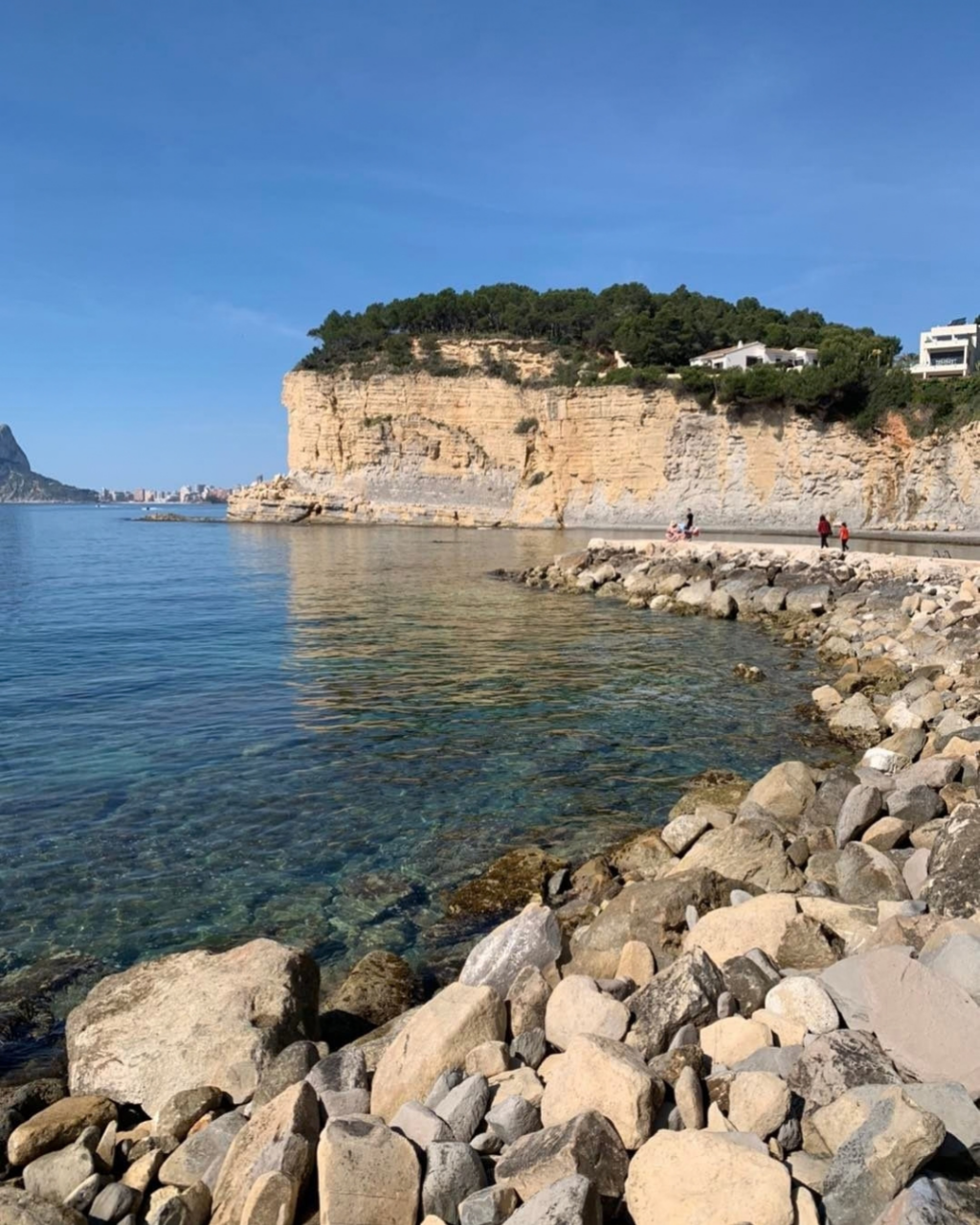
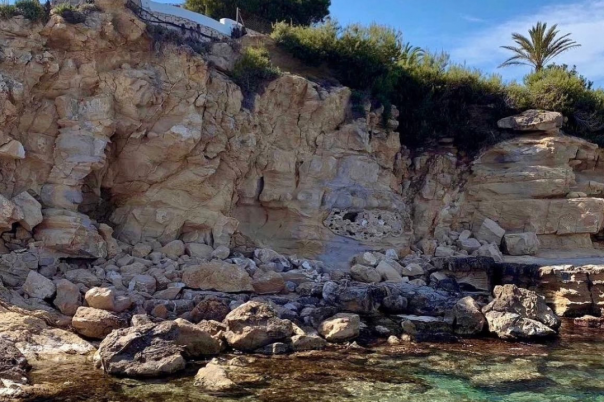
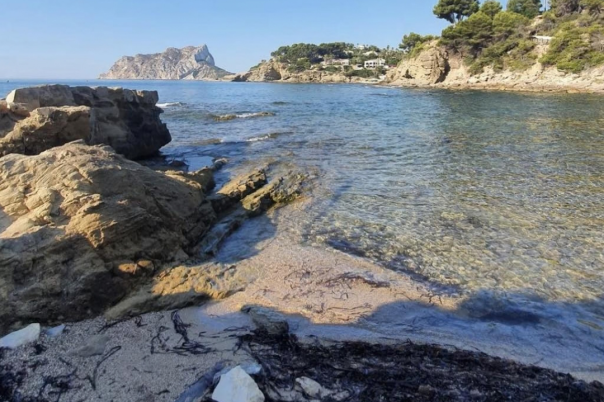
Cala Baladrar is a pebble cove framed by vegetation and rocky coastal slopes. Benissa’s tourism service includes it among the coastline’s snorkelling destinations.
It is worth considering if you prefer pebbles and coastal scenery to a sandy town beach. Plan it as a separate stop: the official ecological-walk information states that the route does not currently connect on foot to Baladrar from the preceding coves.
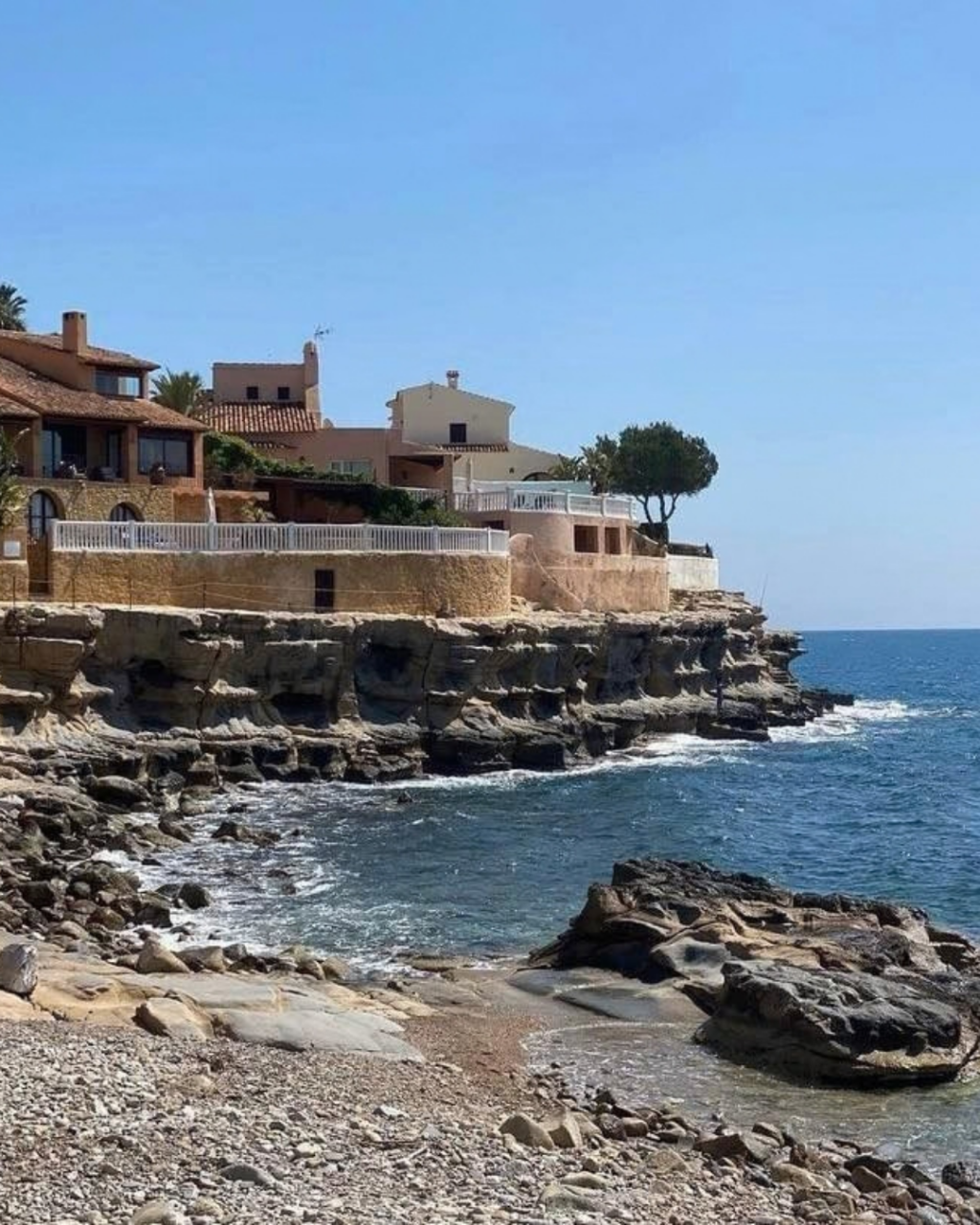
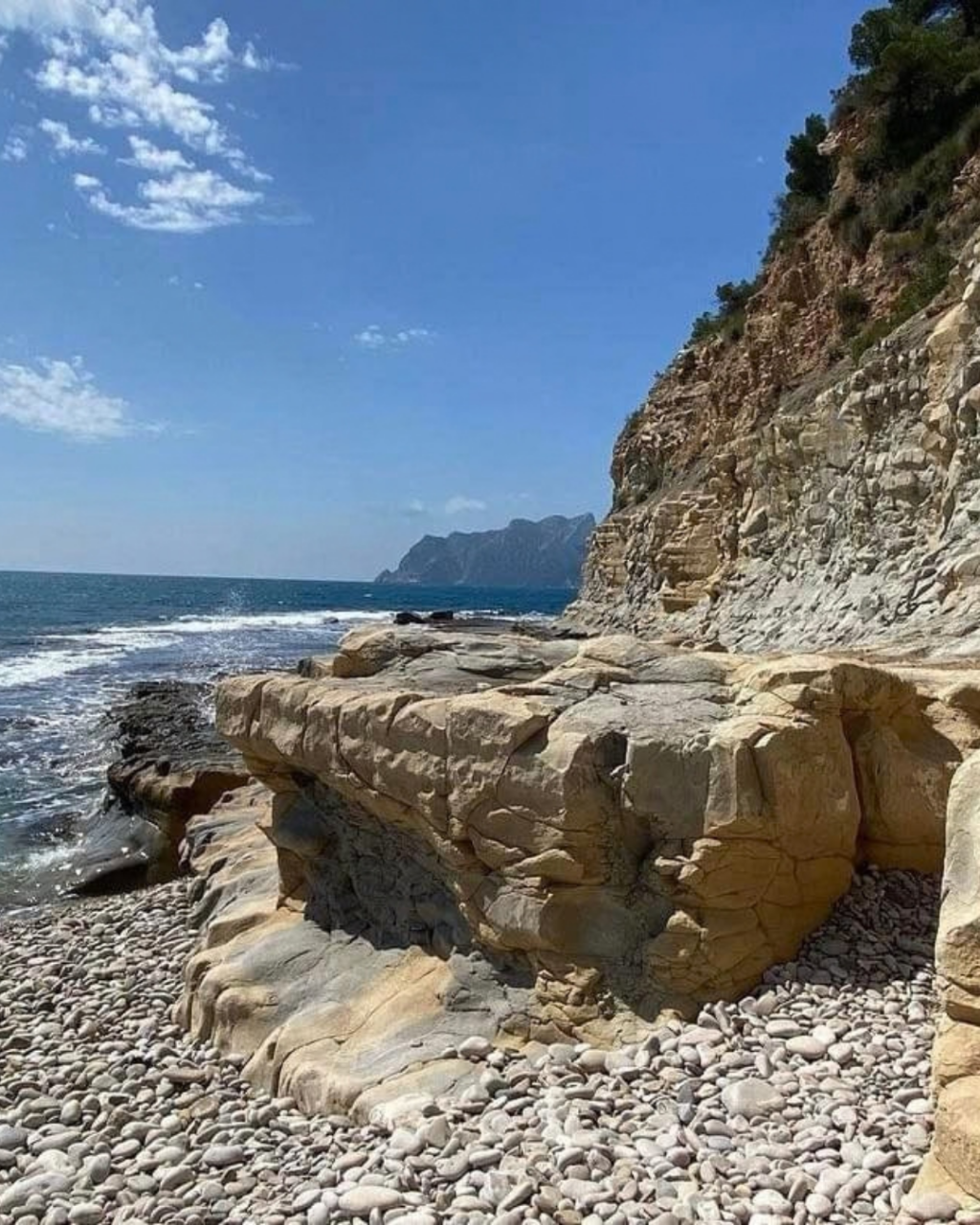
Cala de la Llobella is in Benissa, rather than Moraira. The official tourism guide describes it as a natural rocky cove and highlights its appeal for snorkelling.
This is a choice for visitors comfortable with a rugged shoreline. Do not assume it offers the same facilities or ease of access as the main sandy beaches.
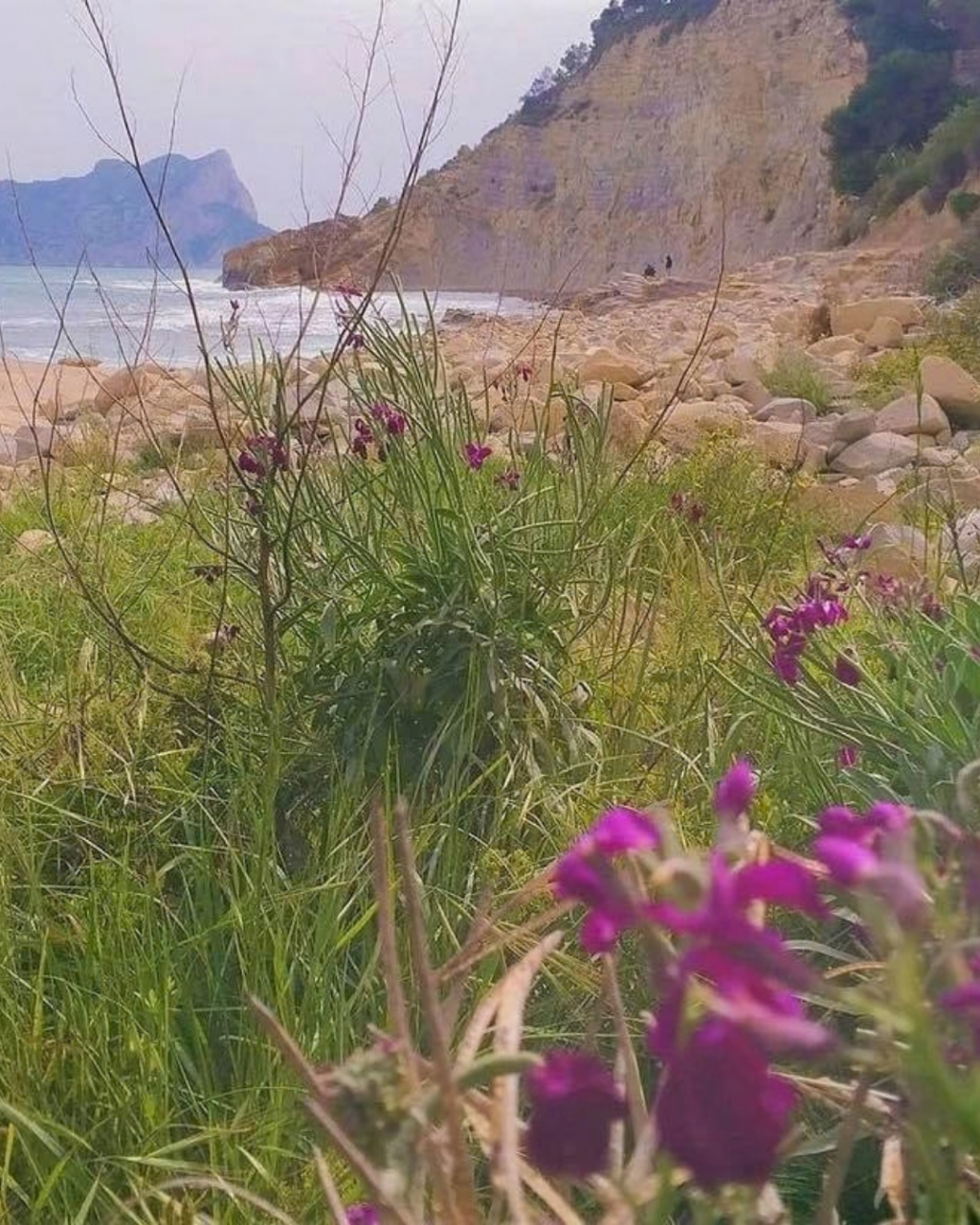
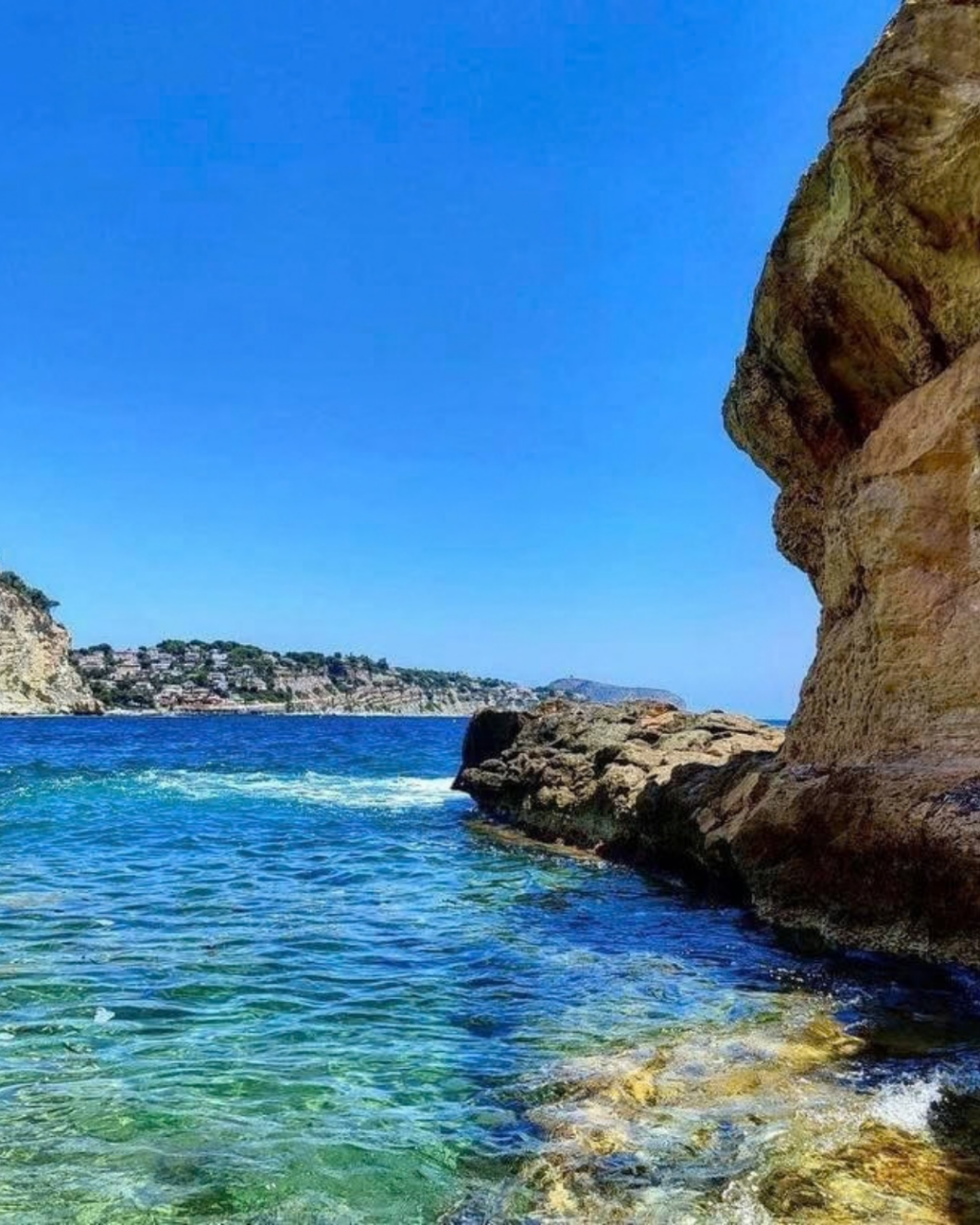
Cala del Moraig lies in El Poble Nou de Benitatxell, commonly known as Benitachell, between Moraira and Jávea. Its gravel shoreline beneath steep cliffs makes it a striking alternative to Moraira’s town beaches.
Choose it for the landscape, but check current parking arrangements, vehicle restrictions and the route down to the beach before travelling. If access or assisted bathing is important, confirm the specific services available for your visit.
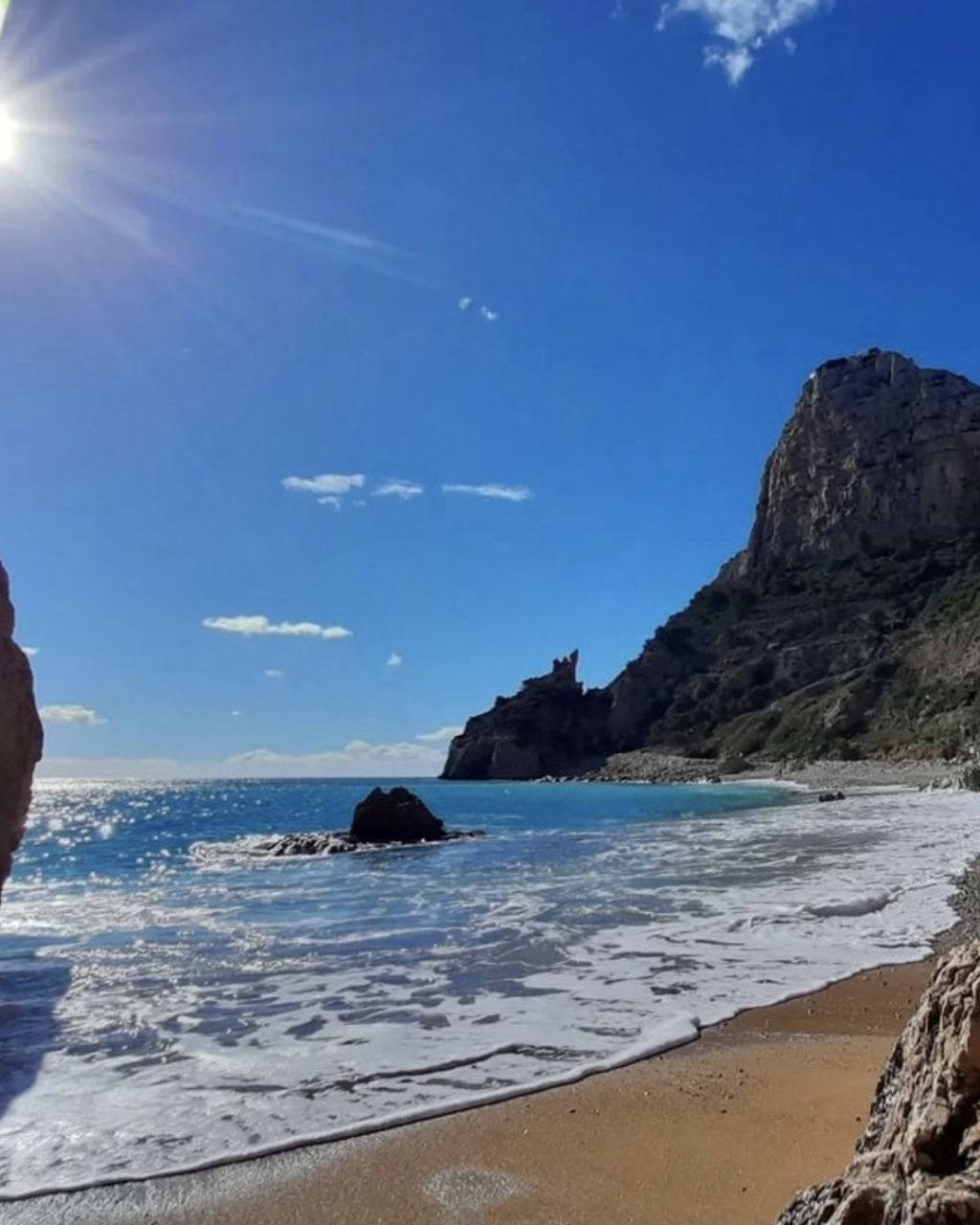
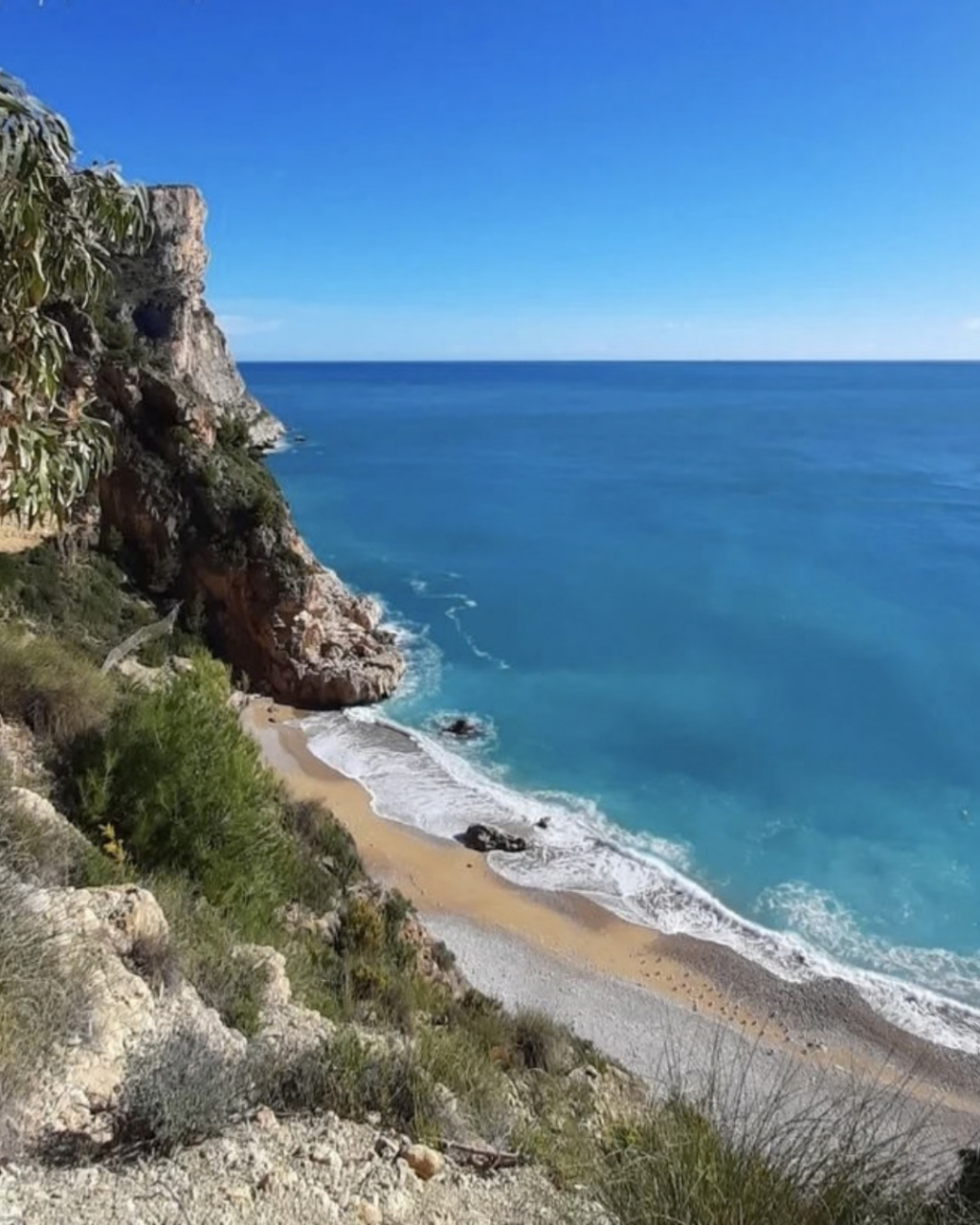
Cala Llebeig offers a gravel-and-rock shoreline with a distinctive seafaring character. Reaching it on foot involves a coastal walking route, making it a more adventurous outing than visiting a beach beside the road.
Plan the journey as part of the experience. Check the route and weather, wear suitable footwear and carry enough water for the return walk.
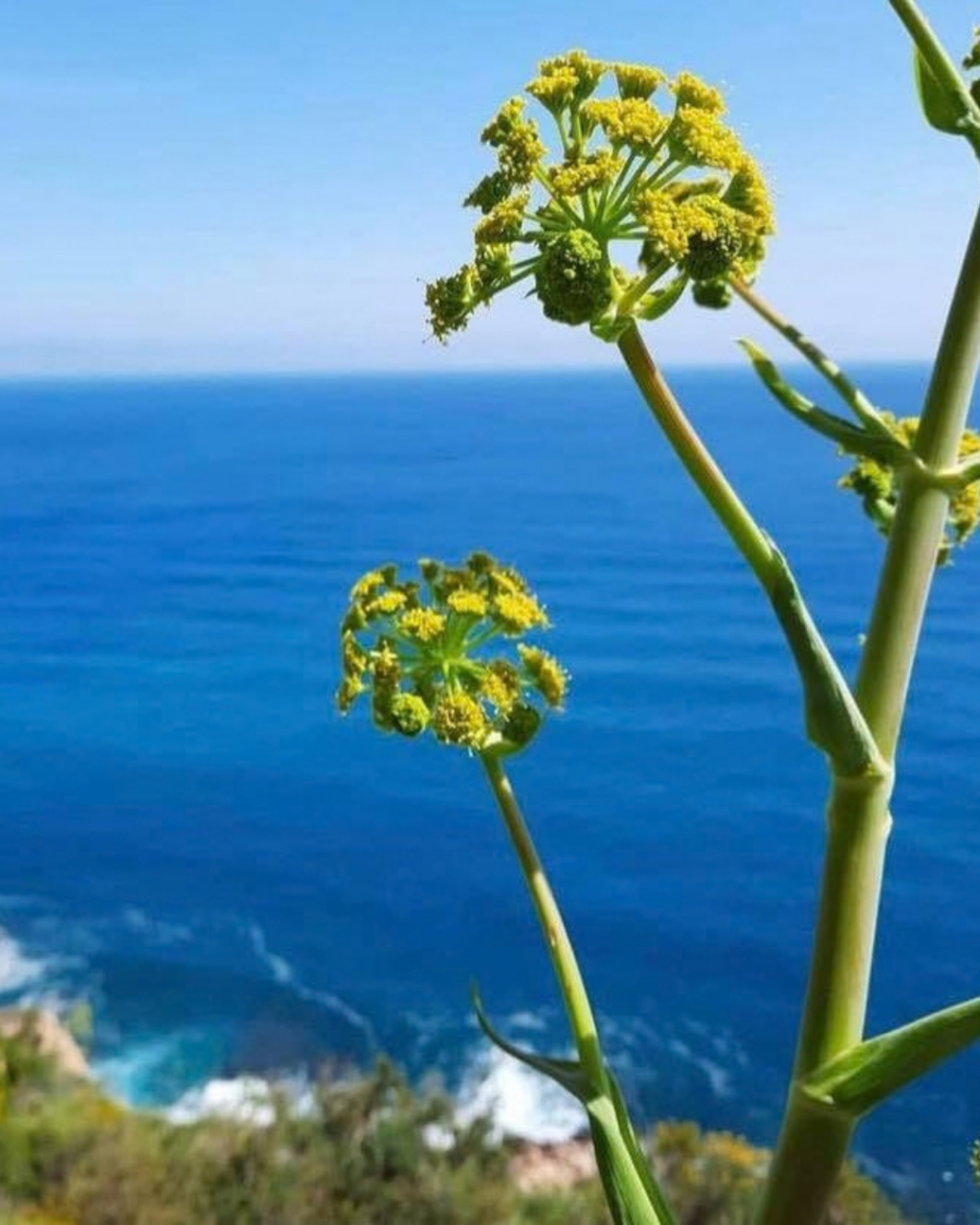
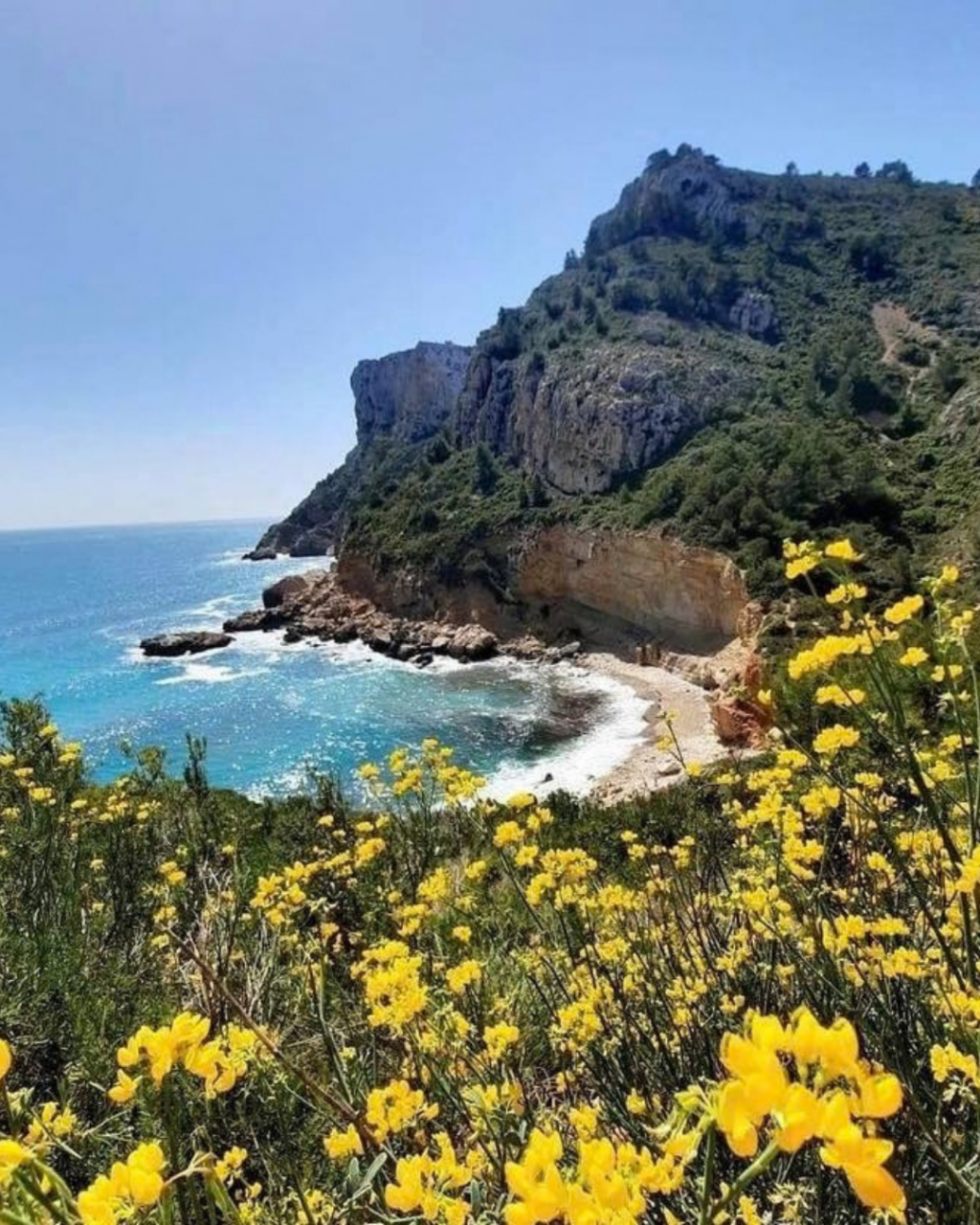
Follow beach flags and local advice, and check seasonal services before setting out. For families or visitors with mobility requirements, confirm the actual access route, toilets, lifeguard provision and any assisted-bathing arrangements.
Explore our Moraira Beaches Directory for individual listings, or combine your beach day with ideas from Things to Do in Moraira.
MorairaOnline24 Sponsors



Featured Listings
Solimar Villas - Property for Sale & Rental

Solimar Villas is an estate agency offering ...
Guide to Baby Equipment Hire in Javea & Moraira

Advice for hiring baby equipment in Javea, Moraira...
Mi Casa Tu Casa - Property Sales & Rentals Javea / Moraira

Welcome to Mi Casa Tu Casa Property Sales &...
Book Now: Alicante Airport Transfers with BENICONNECT
Reliable airport transfers are available with...
Beniconnect - Airport Shuttle Service

“Beniconnect Travel Agency is the only company...


 Spanish
 Chinese (simplified)
 Dutch
Dutch French
 German
 Italian
 Norwegian
 Polish
 Romanian
 Russian